Get Full Government Meeting Transcripts, Videos, & Alerts Forever!
Get email alerts on the Behavioral Health Services topic
No spam. Unsubscribe anytime.
Family & Children's Services updates committee on CCBHC expansion, COPES calls and jail diversion work
Summary
Family & Children's Services detailed how its CCBHC expansion, COPES 911 diversion, school-based services and jail diversion teams have expanded access and reduced emergency room use.
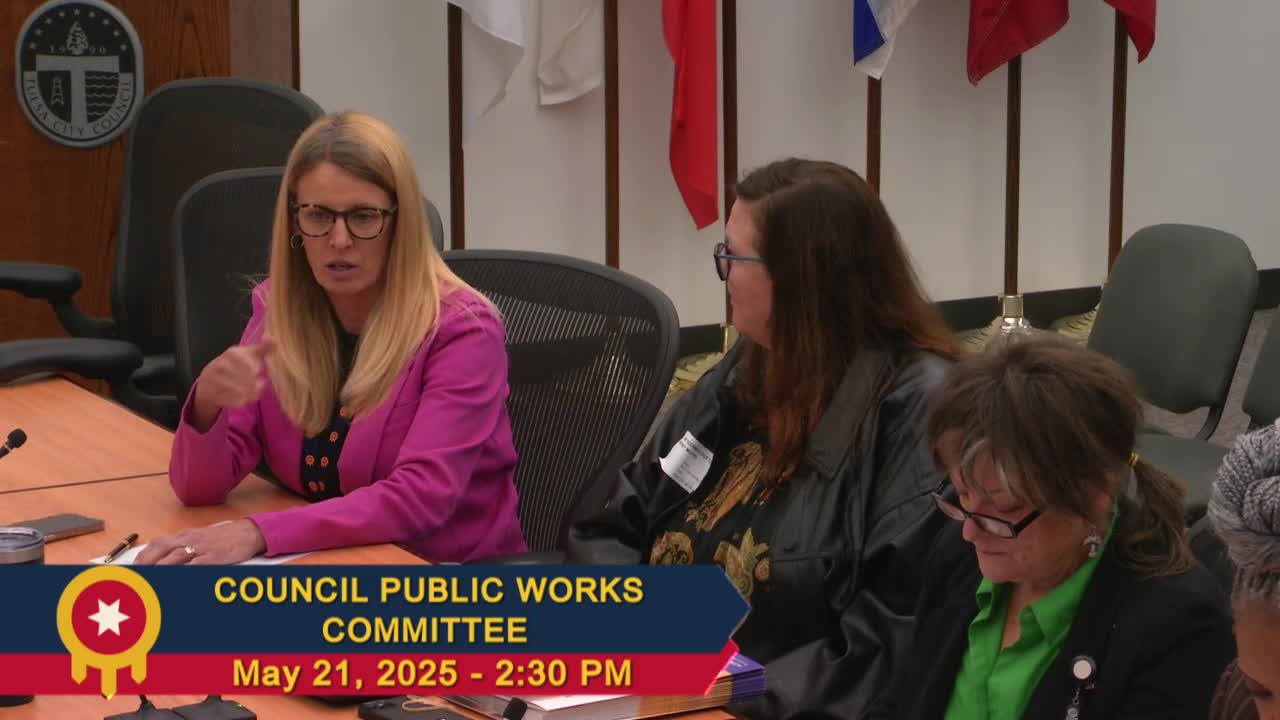
Representatives of Family & Children's Services presented an update on the agency’s expanded services as a Certified Community Behavioral Health Clinic (CCBHC), its school and hospital partnerships, crisis response work and programs focused on jail diversion, maternal mental health, and employment.
Whitney Downey, chief strategy officer, introduced the presentation and said the agency operates numerous programs and locations. Jill Young, chief operating officer, explained the CCBHC model and its effect on access: “we can serve individuals 5 times faster in a mental health center than the national average,” and described large reductions in emergency room visits tied to outpatient engagement — “we had a 98% decrease for children and a 90% decrease for adults of individuals who were visiting the emergency rooms.” Krista Lewis and other presenters described expanded clinic locations in North Tulsa, East Tulsa and Midtown and noted 23 psychiatry providers are now available across the system.
The group described COPES (the 911 behavioral health diversion effort) and said that in the last two months the COPES clinician diverted 1,638 calls and that 88% of those calls were diverted from first responders. They reported that 80% of individuals seen by COPES were stabilized in their natural environments. Family & Children's Services representatives also described jail and reentry work, saying teams engage people while incarcerated and conduct post-release outreach; they noted some positions are funded through the agency’s reinvestment dollars and could be at risk if uncompensated-care funding is reduced.
Staff also noted pharmacy services that fill hundreds of prescriptions per day, Narcan distribution boxes and employment programs including an intensive women-in-recovery program and a thrift store that employs program graduates. Presenters requested follow-up questions and provided a QR code directing council members to additional materials and data on services and outcomes.