Get Full Government Meeting Transcripts, Videos, & Alerts Forever!
Get email alerts on the Unclaimed Property topic
No spam. Unsubscribe anytime.
Treasurer backs changes to unclaimed-property law; bill would add funeral-contract reporting and limit small-mailings
Summary
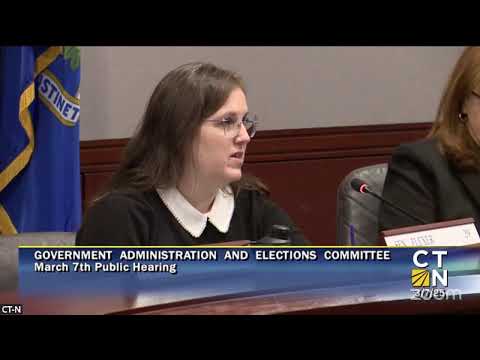
Treasurer Eric Russell told the Government Administration and Elections Committee on Feb. 24 that Senate Bill 1434 would modernize Connecticut’s unclaimed‑property processes and help the state reunite residents with money and assets owed to them.
Treasurer Eric Russell told the Government Administration and Elections Committee on Feb. 24 that Senate Bill 1434 would modernize Connecticut’s unclaimed‑property processes and help the state reunite residents with money and assets owed to them.
Russell said the Treasurer’s Office has launched FastTrack, an automated system that approves and pays sole‑owner claims under $2,500 where data‑matching indicates the claimant is the rightful owner. He said FastTrack approved more than 15,000 claims this fiscal year and that the office returned a record $82 million to more than 44,000 rightful owners in fiscal 2024.
The bill would also add a statutory process to identify and remit funds from certain prepaid funeral service contracts to the state’s unclaimed‑property program when funds have not been used. Russell said many preneed funeral contracts go into escrow, and the change would clarify when such escrowed funds are treated as unclaimed property and turned over to the Treasurer’s Office so beneficiaries can be located and paid.
The Treasurer’s testimony and subsequent questions from committee members outlined two pieces of the funeral‑contract proposal: a timeline that would require a funeral home to remit funds to the state a year after receiving notice of the death of the contract beneficiary, and fallback triggers (including statutory time triggers) for cases where the funeral home was not notified. Russell said the bill also sets a practical minimum of $50 for mailed owner notices, removing the current statutory requirement to mail notices for very small amounts such as cents; the office will still pay small claims but would not be required to send a mailed notice under that threshold.
Representatives of the Connecticut Funeral Directors Association (Jonathan Green) and the Treasurer’s Office both told the committee they support clear procedural rules for handling preneed contracts. CFDA asked the committee to consider extending one of the statutory fallback triggers from 50 years to 75 years after a contract is executed, saying in testimony that some preneed arrangements can remain valid for many decades and that longer triggers would help protect owners and beneficiaries from premature escheatment.
Committee members pressed the Treasurer about practical questions: How do funeral homes currently handle escrowed preneed funds; do funeral homes regularly remit funds to the state now; what happens when a funeral home closes; how will families and heirs be notified when funds are turned over? Russell said practices vary among providers and that the bill seeks to create a consistent process, while the Treasurer’s Office will continue its outreach and use the unclaimed‑property website ctbiglist.gov and other outreach to locate beneficiaries.
Why it matters: Connecticut’s unclaimed‑property pool holds funds that legally belong to private individuals, businesses or beneficiaries. Advocates say clearer rules and automation can speed returns to rightful owners while preserving safeguards against fraud; industry witnesses urged careful timing and notice language to avoid unintended loss of preneed funds.
Ending: The Treasurer urged committee support for SB 1434 and recommended residents check ctbiglist.gov for possible matches. CFDA and the Treasurer’s Office told the committee they are available for follow‑up questions on implementation details such as the funeral‑home notification process and the proposed multi‑trigger timing language.