Get Full Government Meeting Transcripts, Videos, & Alerts Forever!
Get email alerts on the Economic Development Sites topic
No spam. Unsubscribe anytime.
Oswego staff outlines site‑selection strategy, flags three challenging commercial parcels
Summary
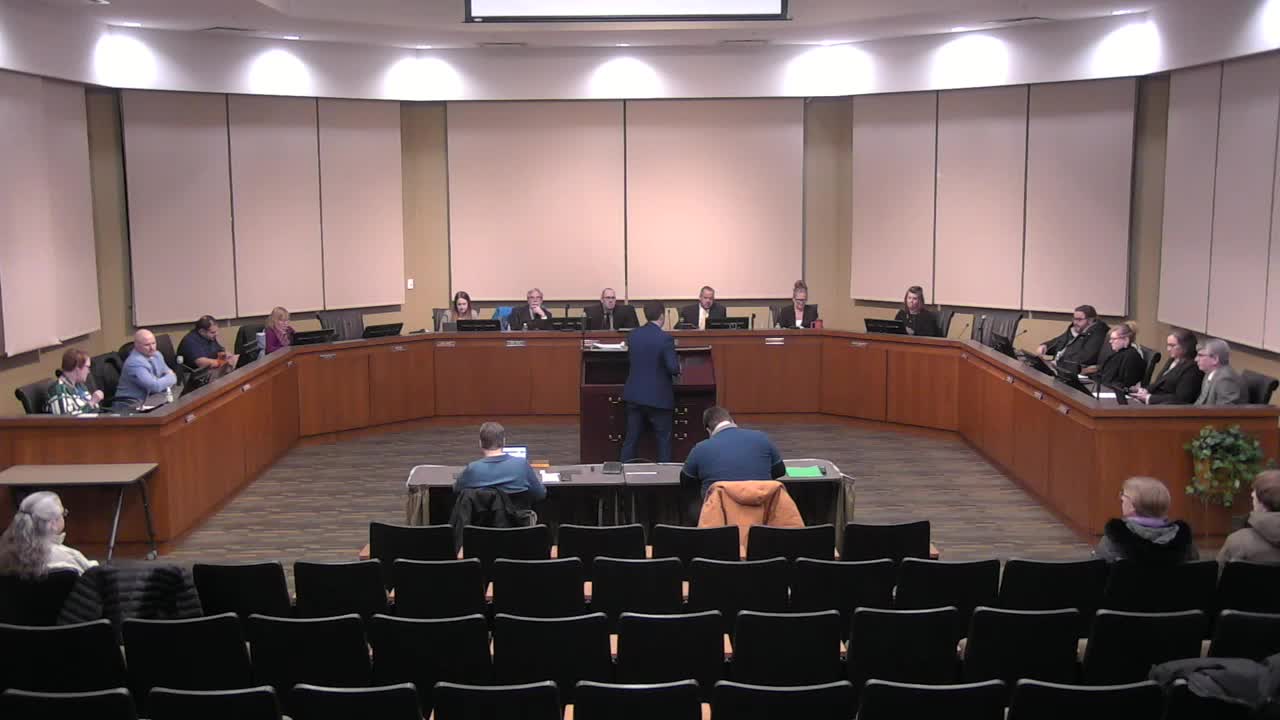
Economic development staff gave a detailed presentation Feb. 18 on Oswego's available commercial and industrial sites, describing how site selectors choose locations, outreach strategies and several specific parcels that pose marketing or ownership challenges.
Kevin, an economic development staff member for the village, told the Committee of the Whole on Feb. 18 that site selection is driven by location, frontage, access, utilities and tenant‑specific needs such as drive‑thru lanes or second‑generation restaurant space.
"Site selectors are real estate brokers, corporate real estate departments and site selection consultants," Kevin said. "The Village's role is to understand market conditions and pitch appropriate sites to those selectors and support them through the process." He told trustees Oswego's strengths include fast zoning and building review and rapid response from staff.
Kevin walked trustees through the village's available‑sites inventory for three commercial corridors: Route 34, Orchard Road and downtown. He said some parcels are pad‑ready and receiving interest, while others are difficult to market because of ownership structure, parcel shape or access easements.
Kevin identified three particularly challenging Route 34 parcels: site 6, an approximately 90‑acre parcel whose owner, he said, has told staff he will not sell in pieces and has not named a price; site 9, which is actively listed but has a parcel shape and a ComEd easement that limit development options; and site 10, larger but not on the market and owned by a manufacturing company in Carpentersville.
He described Orchard Road as an "up‑and‑coming commercial corridor" with steady new construction (examples he named include Gas and Wash, Starbucks and Valvoline) but said some larger users are waiting for higher population density and traffic counts. Kevin said Orchard currently averages about 30,000 vehicles per day and that "the magic number" for some retailers is about 20,000 daily vehicles.
On downtown, Kevin said land is scarce and demand is constrained by limited on‑site parking and low evening foot traffic. He highlighted village efforts to spur downtown redevelopment — a downtown TIF, acquisition of challenging properties, parking improvements and signal work — and noted village‑owned pads such as 6–12 Van Buren that are pad‑ready but have limited visibility or require mixed‑use approaches.
Kevin also summarized outreach tactics: corridor one‑pagers on the village website, trade‑show attendance (ICSC and RE Journals), direct outreach to brokers and site selectors, and participation in industry events. He listed recent recruitment successes the village has used in marketing outreach, including HomeGoods (coming), Barnes & Noble, Starbucks and LongHorn Steakhouse (the latter required a sales‑tax sharing agreement in a prior deal).
Trustees asked follow‑up questions about industrial opportunities, regional shows for cold calls, and whether the village is pursuing the former school district site (an RFP has been issued). Kevin said he and staff will meet with the school district to review the RFP in coming weeks.
No formal land‑use approvals or zoning votes occurred during the presentation; the session was for information and direction to staff.