Get Full Government Meeting Transcripts, Videos, & Alerts Forever!
Get email alerts on the Fire Districts Funding topic
No spam. Unsubscribe anytime.
Pima County fire chiefs warn underfunded fire districts risk slower responses, urge county help
Summary
Fire chiefs representing 18 Pima County fire districts told supervisors that decades of state policy changes and unequal tax bases have left many districts short of staff, equipment and station capacity — creating public‑safety and wildfire preparedness gaps in rural and suburban areas.
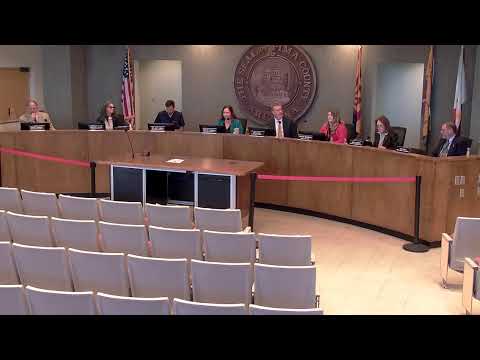
Fire chiefs and union representatives briefed the Pima County Board of Supervisors on February 18 about funding shortfalls across many local fire districts and how the shortfalls affect response times, staffing and capital needs.
Northwest Fire District Chief Bridal Bradley told the board that special taxing districts under Arizona Revised Statutes Title 48 rely primarily on a secondary property tax and that legislative changes over the last three decades — including a reduced assessment percentage on commercial property and property value rollbacks tied to ballot measures — have eroded district revenues. Bradley used Northwest Fire as an example, saying cumulative assessed‑value losses after those changes totalled “just short of a hundred million dollars” and that, absent other support, the district would need penny‑level increases in the tax rate year after year to offset the decline.
Why it matters: Chiefs said staffing shortages, aging apparatus and limited bonding capacity create gaps in wildfire and emergency medical response, especially in geographically large and sparsely populated districts. Smaller districts often cannot afford modern pumpers, cardiac monitors or second sets of protective gear; chiefs described vehicles that are 20–30 years old and long replacement lead times for new apparatus.
Districts present: Santa Rita (Green Valley), Northwest, Aber Valley and 3 Points chiefs described distinct problems. Aber/3 Points chief Brian Delph said his two districts collectively cover about 890 square miles and now run with single‑digit staffed crews in some stations; he said volunteers and small paid staffs cannot meet rising training and equipment requirements. Santa Rita Chief Chuck Wunder said recruitment and retention is a countywide challenge, and that wildland risk and the wildland–urban interface require specialty training and more resources.
Funding and proposals discussed: The chiefs and Board discussed Proposition 310, a county‑level funding measure that failed statewide despite passing locally in an earlier vote; speakers suggested county measures or state enabling legislation to create more stable regional funding for fire protection. Chiefs urged the board to develop a standards‑of‑response coverage assessment for Pima County so funding can be targeted to the districts and stations that produce the largest improvements in public safety.
Ending: Supervisors asked county staff to return data and options, and directed the administrator to provide regular updates on legislative outreach to enable possible enabling language for a county ballot measure. Many supervisors said they were willing to consider near‑term and structural solutions but wanted detailed fiscal models and risk‑based standards to allocate funds equitably.