Get Full Government Meeting Transcripts, Videos, & Alerts Forever!
Get email alerts on the School Budgeting topic
No spam. Unsubscribe anytime.
Southeast Polk Board reviews fiscal 2026 budget assumptions, warns of funding pressures
Summary
District staff outlined preliminary FY26 budget assumptions including a 2% revenue projection, potential reductions in state teacher-supplement dollars, transportation and federal funding uncertainty, and staffing impacts tied to enrollment and ongoing costs.
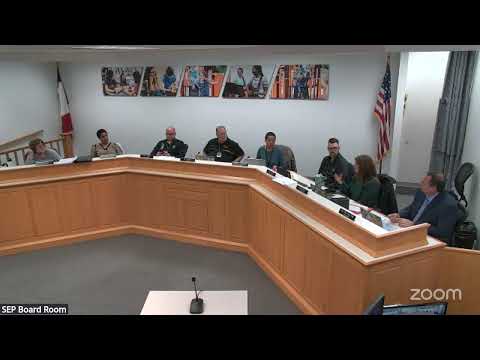
The Southeast Polk Community School District board heard an extended budget briefing on the district's fiscal year 2026 assumptions and risks at its Feb. 6 meeting, with staff outlining revenue projections, program-specific funding uncertainties and potential impacts on staffing and services.
District staff summarized the baseline for preliminary budget work as a 2% increase in state funding in the FY26 projections and described several areas of uncertainty, including teacher salary supplement (TSS) changes, transportation equity funding and federal grant flows such as Title programs and Medicaid reimbursements. "One of the biggest questions we have out there is teacher salary supplements," a staff presenter said, noting minimum-salary rules at the state level could shift TSS dollars around the state and reduce the district's allotment.
Why it matters: board members were urged to be cautious about adding ongoing personnel commitments because recurring salary and benefit increases drive most district spending. Staff presented a central estimate showing approximately $1.23 million in increased costs to cover anticipated staffing and non-personnel increases under the baseline assumptions.
Key points from the presentation included: staff used a 2% assumption for state support and other salary supplements in most modeling; the district's transportation-equity reimbursement historically reduced special-education deficits but is uncertain; medical premium increases were projected at under 4% based on current claims; and federal funding (about 4% of general fund revenues) remains a potential vulnerability because timing and amounts can change.
Board members asked about contingency planning. In response, staff said they are prepared to shift federal-funded positions to general program funding if grant allocations decline, and that food-service staffing (noted as largely federally funded) poses a particular risk if federal funding were substantially reduced. The presenter advised measured growth in personnel as enrollment changes arrive: "Be well we will anticipate that there is program growth and enrollment growth, but not spend spending 30 of dollars you raise those like in boats," the presenter cautioned, urging careful, phased staffing decisions.
Background and outlook: staff reiterated the district's tax-levy options and noted recent state personal-income-tax rate changes have reduced income-surtax collections that historically supplemented district revenues. The presenter showed how levy mixes and valuation growth affect the tax rate, and reminded the board of upcoming budget deadlines and public hearings in March and April tied to certifying maximum property-tax dollars.
Board discussion emphasized prudence over rapid hiring even if enrollment increases continue; staff said the district has been ramping modestly the last two years to absorb growth and will continue to plan for the new elementary school but recommended delaying permanent hires until enrollment trends are certain.
No formal budget votes were taken; staff scheduled additional budget work sessions and a follow-up presentation in late February to refine numbers as state actions become clearer.