Get Full Government Meeting Transcripts, Videos, & Alerts Forever!
Get email alerts on the Parks And Recreation topic
No spam. Unsubscribe anytime.
Spartanburg council approves ARPA parks strategy including activity bus and pool repairs
Summary
At its Jan. 13 meeting the Spartanburg City Council approved an American Rescue Plan Act spending plan that funds a 72-passenger activity bus, pool replastering at CC Woodson, Chapel Street Park upgrades, Irwin Park planning and continued Duncan Park improvements to improve access to recreation and youth programming.
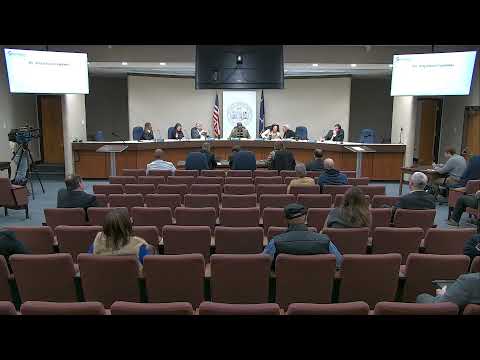
Spartanburg City Council on Jan. 13 approved a parks-and-recreation spending strategy using American Rescue Plan Act (ARPA) funds that staff and council said aims to expand access to programs for young people and seniors.
The plan, presented by Deputy City Director Mitch Kennedy and Parks and Recreation Special Events Director Kim Brown, directs ARPA dollars toward a single large activity bus, maintenance and facility upgrades at CC Woodson and other community centers, wayfinding and audio-visual improvements, neighborhood park repairs at Chapel Street Park and a community-driven planning process for Irwin Park and continued investments at Duncan Park.
Council and staff framed the package as a mix of one-time capital repairs and services intended to remove barriers to participation. Kim Brown said transportation is a core obstacle: "Transportation becomes a big barrier when it comes to out of school time programming," and described summer camps, swim team travel and teen outreach programs that are constrained by the department's current ability to move participants between centers and activity sites.
Staff recommended purchasing an activity bus available on state contract for about $145,000. The vehicle described by staff would be configured to carry up to 72 youth or 40 adults and, according to Parks staff, would meet requirements under Jacob's Law for transporting school-aged children that preclude use of non-school-designated vans for certain programs. Fleet staff member Jason said maintenance would be handled in-house and noted the department's existing vehicle is roughly 20 years old and frequently in the shop.
Josh Thompson, a city resident and Hillbrook Baseball representative who spoke during public comment, welcomed the proposal, telling council the partnership with Parks helped the youth athletics program expand: "Last year, we were happy to offer baseball and softball to 260 children." Staff and council members tied expanded transportation directly to increasing participation in athletics and year-round programming.
The funding package also includes a recommendation to replaster the 15-year-old CC Woodson pool and provide a new pool cover; Brown noted plaster typically lasts seven to 10 years and staff have observed cracking and rough areas requiring repair. Other capital work recommended in the plan includes upgraded park wayfinding signage, audiovisual upgrades for heavily rented community spaces, interior repairs at CC Woodson and the Thornton Center, and replacement of playground equipment and amenities at Chapel Street Park (often called Little Red Park).
Irwin Park—an approximately 14-acre park identified by staff as offering strong potential for socioeconomic mixing—would receive funds for a community engagement–led planning process and phased improvements. Staff emphasized Irwin Park is subject to a Land and Water Conservation Fund restriction that requires the land remain in outdoor recreation use unless replaced with an equivalent investment elsewhere.
Duncan Park would receive continued support, including work already funded through land-and-water grants (a picnic shelter and perimeter trail) and repairs to trails and fields; staff said FEMA reimbursements may cover some hurricane-related court repairs at Duncan Park.
Council members asked detailed operational questions about vehicle size, daily routing versus event use, driver licensing and long-term maintenance. Brown said the department would need a commercial driver's license for the recommended bus and that a budgeted bus-driver position already exists. Staff said routes would typically follow scheduled programming and would require a transportation plan to maximize use across youth, teen and senior activities.
Deputy City Director Mitch Kennedy told council the ARPA strategy had been developed to leverage additional funding opportunities where possible and to prioritize essential city services. The council voted on a motion "to approve the ARPA funding as presented;" the motion passed by voice vote. Individual roll-call tallies were not recorded in the meeting transcript.
Why it matters: Council and staff said the package is intended to increase equitable access to recreational programs, reduce program costs tied to chartering outside transportation, and invest one-time federal recovery dollars in assets and repairs that expand participation and resilience.
Discussion points: staff emphasized (1) transportation as a barrier to participation, (2) community engagement for Irwin Park and other neighborhood projects, (3) leveraging ARPA dollars with state, federal or private matching, and (4) the need for an operational transportation plan before the bus is placed into routine service.
What passed: council approved the ARPA parks strategy as presented and directed staff to proceed with procurement and the planned community engagement.
Next steps: staff will pursue procurement on state contract for the activity bus, schedule replastering and pool-cover work at CC Woodson, develop a transportation plan to maximize vehicle use, and initiate community engagement for Irwin Park and Chapel Street Park improvements.