Get Full Government Meeting Transcripts, Videos, & Alerts Forever!
Get email alerts on the Historic Preservation Mills Act topic
No spam. Unsubscribe anytime.
Carlsbad commission votes to seek two-year Mills Act application fee waiver, asks staff to simplify enrollment
Summary
The Carlsbad Historic Preservation Commission voted unanimously to forward a resolution to City Council recommending a two‑year waiver of Mills Act application fees, expanded outreach, simplified application materials and aligned monitoring to assess whether the measures increase enrollment.
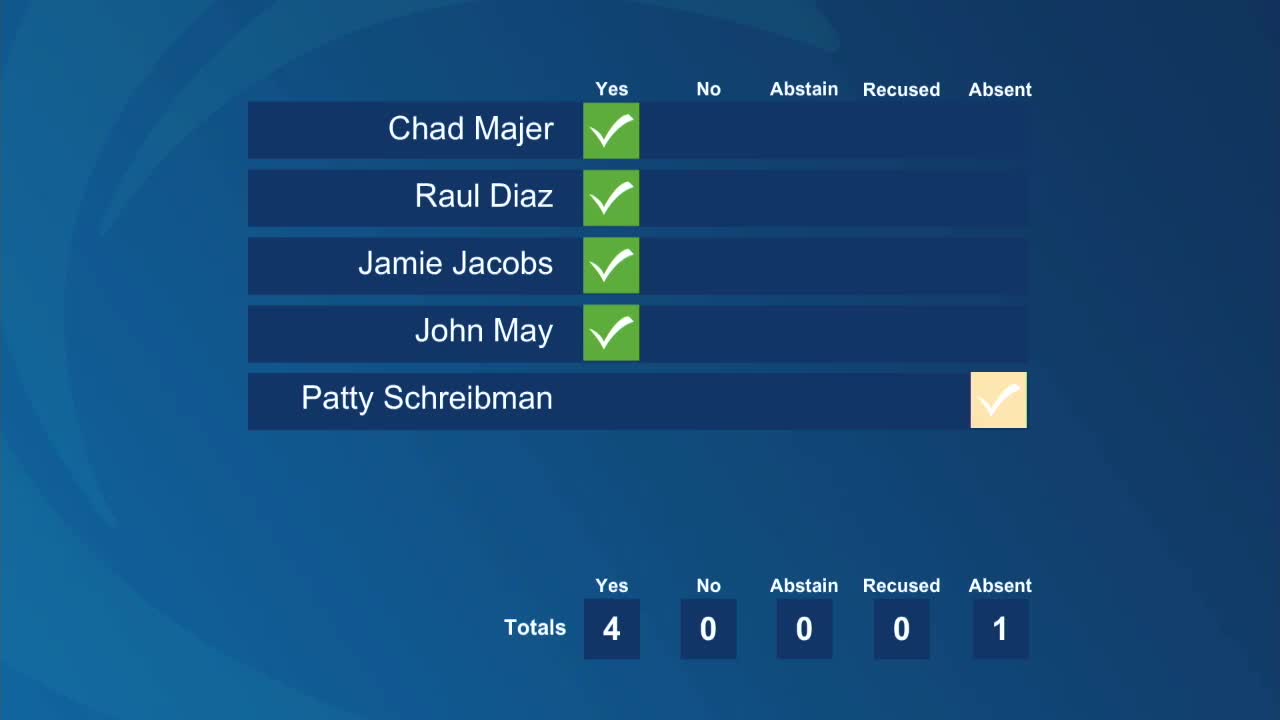
The Carlsbad Historic Preservation Commission on Jan. 23 voted unanimously to approve a package of recommendations for expanding enrollment in the city’s Mills Act Program, including a proposed two‑year waiver of the application fee and direction to staff to simplify application materials and targeted outreach.
The commission approved forwarding a resolution to City Council that would (as drafted by staff) expand program outreach, host recorded pre‑application workshops, waive the Mills Act application processing fee for two years, simplify submittal and contract templates, allow certain pre‑contract consultant expenses to be eligible for reimbursement, and return to the commission with a program performance review after the waiver period. The motion was made by Commissioner Diaz and seconded by Commissioner Jacobs and passed unanimously.
Why it matters: The Mills Act is a local incentive tool used in California to encourage the preservation and rehabilitation of historic properties by offering property‑tax benefits in exchange for owners’ long‑term maintenance commitments. City staff told the commission that enrollment in Carlsbad’s program has been limited, in part because of upfront costs for applicants, and the recommendations are intended to lower barriers to entry and “jump start” participation.
Staff presentation and survey findings
Mike Strong, staff liaison to the Historic Preservation Commission, summarized work begun at a July 8, 2024 meeting and a subsequent survey of other agencies. Strong said the city processed two Mills Act applications that were later withdrawn after staff identified required improvements to restore historic integrity. Staff collected cost information from local jurisdictions and statewide programs: examples cited in the staff report included application processing fees ranging from low or no cost (Coronado: $116) to full cost recovery levels reported by some cities (Chula Vista: $8,725). Fees to register a property on a local historic register also varied in the regional survey (San Diego County: no cost; La Mesa: $704; City of San Diego: $3,366; Chula Vista: $4,800), according to the staff summary presented at the meeting.
Strong told the commission the city previously mailed information to owners of properties identified as historically significant: “We did submit letters to each of those property owners” identified in an older survey, he said, and staff also queried assessor records to identify properties more than 50 years old, producing an outreach mailing list of more than 1,200 emails. Strong described roughly 300–400 properties listed in a 1991 local survey, while acknowledging some have been demolished or altered and may no longer qualify as historic resources.
Recommended measures discussed
Staff described several measures included in the draft resolution to be considered by City Council: 1) a renewed round of targeted outreach to residential and commercial properties that meet qualifications; 2) a recorded pre‑application workshop to be posted online; 3) a temporary waiver of the Mills Act application processing fee for two years to encourage applicants; 4) simplification of required historic assessment materials through standardized checklists and contract templates; 5) clarification that certain eligible expenses incurred in the two years prior to a contract may count toward eligible costs; and 6) periodic monitoring and a return to the commission to evaluate program performance.
Timing and budgetary notes
Staff explained how the city’s fee schedule and budget calendar affect implementation: changes to the master fee schedule are presented for adoption in June, the operational budget is effective July 1, and a revised master fee schedule becomes effective Sept. 1. The staff report as presented recommended that, if approved by council, a two‑year fee waiver could become effective on that fee schedule timetable and that staff would return to the commission to evaluate results after the waiver period.
Commissioners’ comments and motion
Commissioner Diaz asked whether the commission’s monitoring review could be aligned with the proposed two‑year fee waiver so the commission would review whether interest increased while the fee was waived. Staff said the waiver in the report is structured to be effective on the city’s normal fee schedule timetable and that the review timeline could be adjusted by motion. Commissioner Diaz moved to adopt the recommendations with that change (aligning the monitoring review with the two‑year waiver); Commissioner Jacobs seconded. The motion passed unanimously.
What the commission did not do
No changes to city code or final council action occurred at the commission meeting; the commission’s vote forwarded the recommendations to City Council for consideration. Staff noted that some items (for example, recording fees paid to the County of San Diego) would still be the applicant’s responsibility and that simplification of required reports aims to reduce—but not eliminate—work required to evaluate historic integrity.
Next steps
Strong said staff intends to consolidate commission recommendations with previous incentives analysis and present a resolution to City Council in spring; if council approves any measures that require staff resources or fee changes, the chair and vice chair would attend to present on behalf of the commission.