Get Full Government Meeting Transcripts, Videos, & Alerts Forever!
Get email alerts on the County Finance topic
No spam. Unsubscribe anytime.
Maricopa County speaker praises fiscal record, directs manager to create performance management system
Summary
At a Maricopa County meeting an unidentified speaker said the county is the most fiscally responsible large county in the U.S. and directed the county manager to develop a performance management system to reduce waste and align resources with priorities.
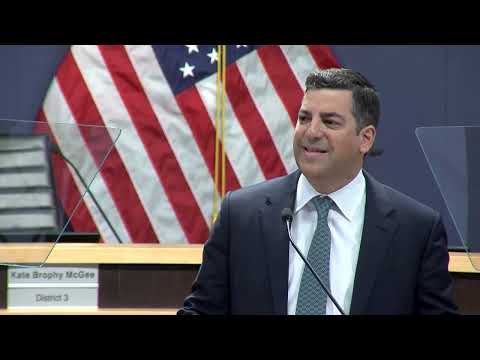
An unidentified speaker at a Maricopa County meeting said the county is the most fiscally responsible of the nation’s large counties and directed the county manager to create a performance management system aimed at reducing waste and aligning resources with priorities.
The speaker said Maricopa County compares favorably with the 10 largest U.S. counties — including Los Angeles County, Cook County and Miami-Dade County — and promised the board would “continue to honor conservative principles and be a good steward of your tax dollars.” The speaker added, “I’m directing the county manager to create a performance management system that is not just about tracking numbers or checking boxes, but it's about reducing waste, aligning our resources with our priorities, and ensuring every dollar we spend delivers impactful results for the people we serve.”
Why it matters: County officials and staff use budget and performance systems to prioritize programs, measure outcomes and justify spending. A directive to develop a new or expanded performance management system can lead to changes in how departments report results, how priorities are set in future budgets and what metrics are tracked for service delivery.
Details from the meeting: The speaker said the plan will include “budgetary innovation” as a central element but did not specify a timeline, the system’s scope, the metrics to be used, or whether the work will require additional funding or formal board action. The remarks referenced a comparison with the 10 largest counties by population but did not provide supporting documents or data in the transcript.
Discussion vs. action: The transcript records a directive from the speaker to the county manager; there is no recorded motion or vote in the transcript. The directive appears to be a verbal direction rather than a formal, voted board action.
Looking ahead: The transcript does not specify next steps, deadlines, or which county office will lead system development. No additional speakers, staff reports, or formal outcomes on the directive were recorded in the provided excerpt.