Get Full Government Meeting Transcripts, Videos, & Alerts Forever!
Get email alerts on the Early Childhood Education topic
No spam. Unsubscribe anytime.
Pennridge committee backs phased rollout of full‑day kindergarten, recommends one‑year lottery pilot
Summary
A Pennridge School District committee recommended a phased implementation for full‑day kindergarten, proposing a lottery for 2025–26 that would expand access while officials work through staffing, transportation and space issues. The committee plans to open registration with a full‑day preference option before the board meeting.
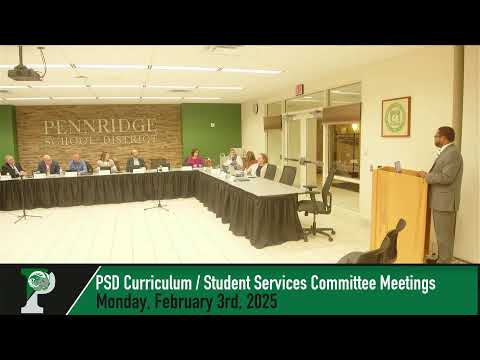
The Pennridge School District Curriculum & Student Services Committee on Tuesday recommended a phased approach to implementing full‑day kindergarten, asking administrators to open registration this spring that will include a lottery for full‑day seats for the 2025–26 school year and to roll out full districtwide programming the following year.
Committee leaders said the phase‑in (referred to in the presentation as “Option 2”) would provide more full‑day opportunities than the current targeted model while giving staff time to resolve logistical issues such as staffing, transportation and classroom space. "Option 2, that phase in, is the option that the committee felt most strongly about, for multiple reasons," said Maria Foley, a Pennridge principal and co‑chair of the committee.
The recommendation follows months of committee work involving about 20 participants — kindergarten teachers, school psychologists, instructional coaches, reading specialists, administrators and board members — who examined the district’s current mix of half‑day AM/PM programs, targeted full‑day slots and developmental kindergarten placements used for students with individual education program (IEP) needs.
Why it matters: Committee members said full‑day kindergarten would provide consistent, play‑based learning time to support whole‑child development, increase curricular continuity into first grade and could reduce later special‑education referrals by identifying and addressing needs earlier.
Public comment at the meeting reflected support from local parents and educators. "I hope what we would do is just keep doing the great things that our kindergarten teachers are doing, but just have more time to do those incredible things," said Nick Schmoyer, a parent. Nicole Solana, who identified herself as an educator and parent, told the committee additional instructional time would aid math, reading and social‑emotional development and help some families with childcare logistics. Parent Sean Reimer Hunter noted prior board conversations about full‑day kindergarten and urged a fair roll‑out, asking how a lottery would ensure equitable access.
How the phase‑in would work: The committee proposed that every elementary building offer both full‑day and half‑day kindergarten in 2025–26. A district registration form will include a first‑choice preference for full‑day or half‑day and a checkbox to enter the lottery for full‑day seats. For 2025–26 only, buildings would run parallel full‑ and half‑day programs. The committee recommended keeping developmental kindergarten and emotional‑support full‑day placements for students with IEPs during the phase‑in; those programs would be dissolved once full‑day is available to all students and related services could be provided within the full‑day schedule.
Costs, staffing and facilities: Presenters estimated some additional teacher sections might be needed to expand full‑day offerings; the presentation noted roughly 25 upcoming retirements districtwide and suggested the district could absorb some new sections via attrition. Administrators estimated a maximum need of about five additional full‑day sections in the immediate period as a planning figure rather than a final projection. Transportation changes are expected because the district currently does not run midday kindergarten routes. The district will also use a building utilization study to identify classroom space and possible reassignments of programs to free rooms for kindergarten.
Next steps and timing: Committee members asked administrators to distribute the registration form and lottery option to incoming families before the next board meeting. If the board approves the phase‑in, administrators said they will open registration, run the lottery for 2025–26, collect hard data on family demand, and return to the board with updated staffing, budget and transportation plans ahead of 2026–27 when full districtwide implementation is proposed.
The committee framed the phase‑in as a data‑driven trial: staff will use actual registration figures from the pilot year to determine final staffing, space and transportation needs rather than relying on estimates or assumptions.
Ending: The item will return to the Board of School Directors for approval; administrators indicated they will prepare updated budget estimates (including fringe benefits) and an implementation timeline informed by retirements and the utilization study.