Get Full Government Meeting Transcripts, Videos, & Alerts Forever!
Get email alerts on the Municipal Compensation topic
No spam. Unsubscribe anytime.
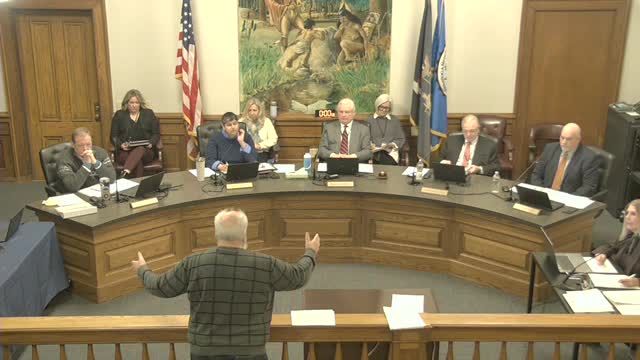
Saratoga Springs council approves pay increase, mayorto receive larger salary for 2026
Summary
The City Council approved a local law changing council salaries effective Jan. 1, 2026, tying pay to 2026 minimum wage; the adopted version sets a higher salary for the mayor. The measure follows public comment and debate over pension reporting, fairness and long-term budget impacts.
The Saratoga Springs City Council on Feb. 4 approved a local law that raises council pay effective Jan. 1, 2026, tying compensation to the 2026 Upstate New York minimum wage and creating a higher salary for the mayor.
Supporters said the increase is intended to allow council members to participate in the New York State Retirement System and to reflect inflation since the existing $14,500 figure was set in 2001. Opponents and several public speakers questioned the methodology used to compute hours worked and raised concerns about process and fiscal impact.
Commissioner Sangvi said the proposal ties the council salary to minimum wage so members can participate in state retirement and noted the city payroll treats the role as a 33-hour workweek for retirement reporting. Supervisor Madigan, drawing on her own experience, told the council that without the minimum-wage threshold some years of service can fail to accrue a 1-for-1 credit in the retirement system.
Multiple public commenters urged different approaches. David Putjen of the Upstate Conservative Coalition pressed the council to explain the source of the 33-hour figure and warned that elected officials must correctly report work hours for pension integrity. He said the required New York State retirement "standard work day" form requires reporting and that failing to do so can lead to penalties. Sam Brewer and Chris Battista urged a higher, consultant-backed salary based on cost-of-living adjustments; others asked for more detailed accounting of benefits and use of existing funds.
Council debate addressed process and fairness. Several commissioners said the increase would take effect for the council seated in January 2026, not current members, and that the proposal followed HR and payroll review. Finance Commissioner (title shown in meeting materials) cautioned council members that repeated salary increases and other compensation changes can strain operating budgets if revenue declines continue; she said sales tax and occupancy tax receipts were down year-to-date and warned higher recurring personnel costs reduce capacity for capital projects.
After discussion the council voted 3-2 to approve the version that sets council member pay at the minimum-wage-based level and sets a higher combined salary for the mayor (the adopted measure shows the mayor's total as $42,456 and other commissioners $27,456). The council also discussed but did not adopt separate procedural options such as hiring an outside salary consultant.
The measure contains no immediate budget appropriation for current officeholders and, according to council remarks, will take effect for the incoming council in 2026. Council members and members of the public said they expect continued debate about charter provisions and whether changes to the commission form of government should be pursued in a broader charter review.
Council actions on salaries were the focal point of several public comments that also touched on other governance issues raised during the meeting, including the status of a civilian review board and Freedom of Information Law (FOIL) response times.
The council did not specify who would cover additional costs in future budgets beyond the general budget process; council members said any long-term budget effects should be weighed against other priorities in subsequent budget cycles.