Get Full Government Meeting Transcripts, Videos, & Alerts Forever!
Get email alerts on the School Budget topic
No spam. Unsubscribe anytime.
Budget committee recommends school budget items, endorses several education trust and capital requests
Summary
The Hooksett Budget Committee recommended portions of the Hooksett School District budget and a mix of expendable-trust and capital-reserve warrant articles, including support for major HVAC/roof work and smaller capital items; committee votes were mixed on some school requests.
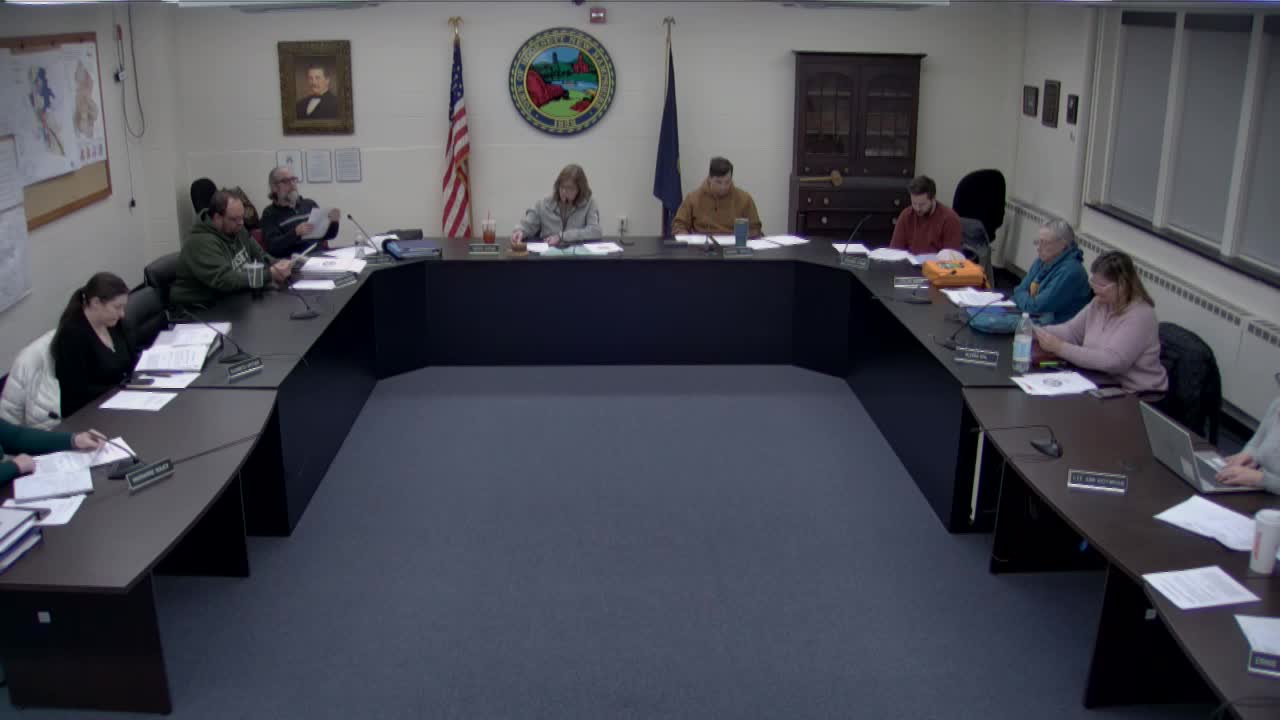
The Hooksett Budget Committee took up the Hooksett School District—s budget and warrant articles during the meeting—s second half and issued recommendations on a slate of school proposals.
The committee recommended several school warrant articles, including a capital bond for building systems and roof work at district facilities and added funding for special-education and building-maintenance expendable trusts. Committee members voted 9-1 to recommend the district warrant that would fund upgrades to ventilation, boilers and roofs at district schools; that bond carried a stated first-year tax-rate impact on the warrant language.
School district presenters and staff described the scope of major projects and answered public questions about enrollment, special education costs and how state and federal funding flows to the district. Christine Osborne, the district—s director of student services, outlined that special-education costs vary widely by student and that federally administered IDEA funds and state special-education aid cover only a portion of total special-education expenditures.
Committee members and public commenters discussed how much of the school operating budget is driven by special-education costs; district staff said special education accounts for roughly one-quarter of the district—s expenditures, with per-student special-education costs varying from negligible to several hundred thousand dollars for high-need placements. The district reported total K-8 enrollment near 1,262 students and about 634 high-school students in regional arrangements.
The committee also recommended expendable trust and capital-reserve requests that would not increase the tax rate if funded from available fund balance (special-education expendable trust and curriculum capital reserve funds were on the list), and recommended other smaller furniture and equipment items. Where fund-balance funding is proposed, the warrant language used —3up to—100,000—3 phrasing for items intended to be paid only from available fund balance, and committee members asked for clarity in voter materials about that contingency.
Votes at a glance (School warrant articles) - Article 2 (School bond: HVAC/roof work, $5,995,998): Committee recommended, vote 9-1. - Article 3 (School operating or additional school-item): Committee recommended 6-4 (committee roll call recorded at meeting). - Article 4 (Special-education expendable trust, $150,000 from fund balance): Recommended, committee vote 8-2. - Article 5 (Building maintenance expendable trust, $100,000 from fund balance): Recommended, committee vote 9-1. - Article 6 (Technology expendable trust, $50,000 from fund balance): Recommended, committee vote 7-3. - Article 7 (Create curriculum capital reserve and fund $100,000 from fund balance): Recommended, committee vote 8-2. - Article 8 (Furniture and equipment replacement, $58,005): Recommended, committee vote 6-4.
Context and next steps: School and municipal warrant-article recommendations will be printed in the voter guide; committee members emphasized that fund-balance-backed articles depend on year-end balances and therefore may be reduced or unfunded if the town does not have the anticipated fund balance at June 30. Several committee members urged voters to attend the deliberative session for line-by-line discussion.
Ending: The committee closed the public hearing and moved to formal recommendation votes; its endorsements are advisory and subject to final town or district votes at the deliberative session and on the ballot.