Get Full Government Meeting Transcripts, Videos, & Alerts Forever!
Get email alerts on the Small Business Recovery topic
No spam. Unsubscribe anytime.
SoHo, West Village retailers and restaurateurs tell Community Board they need rent relief, safer streets and quicker insurance help
Summary
SoHo and West Village small-business owners told a Community Board virtual meeting that rising online sales for some firms have not made up for lost foot traffic, and that unresolved rent bills, slow insurance payouts after looting and uncertainty over reopening rules threaten many businesses’ survival.
SoHo and West Village small-business owners told a Community Board virtual meeting that rising online sales for some firms have not made up for lost foot traffic, and that unresolved rent bills, slow insurance payouts after looting and uncertainty over reopening rules threaten many businesses’ survival.
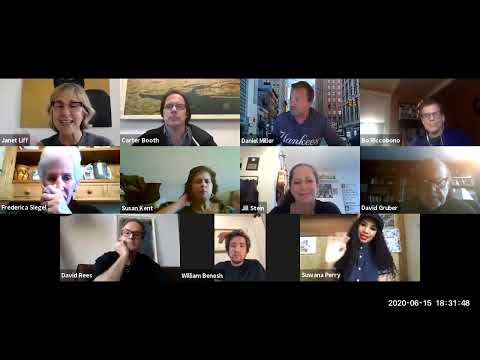
The comments came during a Community Board panel on small-business recovery. David Reese, co-owner and founder of 10000 things, said his 30-year jewelry and gift business has seen online demand but still depends on in-person shoppers: "We need to have a store. I don't know if we need to have a store," Reese said, describing the pandemic-era jump in e-commerce and uncertainty about when customers will return to Manhattan. "I think long range, I think the big question is what happens now. Are there people in New York that are walking around shopping? I don't think so. I think the city is empty."
Why it matters: Panelists said short-term federal aid and loan programs helped staff and operations but did not address the largest fixed cost for many: rent. Several owners described tense or stalled landlord negotiations and said deferrals without rent reductions simply push debt into the future. Scott (hospitality owner/operator of member-club and restaurants) warned that for many hospitality businesses the federal Paycheck Protection Program (PPP) and other relief are insufficient to cover commercial rents that run into six figures at some locations.
Most important points - E-commerce gains but limited conversion: Suwanna Perry, co-owner of Descendant of Thieves, said e-commerce rose about 30% compared with last year but wholesale losses left the business carrying inventory and costs. Jill Stein, representing John Hardy, said her company’s e-commerce grew more than 30% but that online revenue has not replaced retail or tourist-driven sales, and most retail customers have not shifted permanently to online purchasing. - Rent and landlord negotiations: Multiple panelists described a range of landlord responses—from significant reductions when leases were being renegotiated to simple deferrals that become debt obligations later. One panelist said a landlord negotiated a multi-year ramp (a lower rent now with increases later) rather than strict deferral. Others said many landlords demanded rent immediately, and that negotiations were inconsistent across owners and buildings. - Food and hospitality particularly vulnerable: Barry (owner, Boz Bagels) and Scott said foodservice and nightlife rely on high volumes and office or tourist foot traffic that has largely vanished. Bagel and catering revenue tied to offices is “completely gone,” Barry said, and reopening has produced far lower daily volume than before the pandemic. - Street-level strategies requested: Panelists urged the Community Board to pursue open-streets or expanded sidewalk/dining programs that could increase foot traffic. Suggestions included temporary 30-minute parking, designated curbside pickup, and allowing retailers to display limited merchandise outside to draw passersby. Several panelists argued that increased and safer public activity would benefit both food and nonfood retailers. - Insurance and looting damage: Jill Stein said some stores remain boarded after property damage and cannot remove plywood until insurance claims are processed — a process she and others asked should be expedited so stores can reopen visibly. - Requests for local help: Panelists asked the board to (1) pursue open-streets/curbspace changes, (2) help convene landlord/tenant information or broker forums to share comparable deals, and (3) explore neighborhood-scale marketing or an up-to-date public list of open retailers to direct shoppers.
Supporting details and examples - Leasing examples: A commenter who identified himself as a real-estate professional described a negotiated deal on Bleecker Street that lowered near-term rent in exchange for a ramped increase later in the lease term; another panelist said a landlord agreed to take a deposit and negotiate reduced payments for several months. Conversely, others said landlords demanded rent and did not negotiate in mid-lease. - Program experience: Multiple panelists described receiving PPP funds (and an extension of the period from 8 to 24 weeks), calling the rollout confusing and uneven. One retailer called PPP "helpful" but said eligibility and timing made it difficult to use as intended; small businesses without large accounting support found the application process treacherous. - Quantitative notes from panelists: Suwanna Perry said e-commerce is "up about 30% from last year." Jill Stein said her firm was 80% wholesale, 15% retail and 5% e-commerce before the crisis and that e-commerce has increased by over 30% during the pandemic. Lynette (Jonathan Adler) said some West Village storefronts have a maximum occupancy of nine people, limiting the operational benefit of phased reopening. Scott recounted one space with monthly rent around $180,000 and said PPP checks would not have covered a single month there.
Discussion vs decisions - Discussion: The meeting was a fact-finding panel. Speakers recounted financials, landlord conversations, and operational constraints. Participants discussed open-streets, temporary parking changes, percentage or revenue-sharing leases, and marketing assistance as possible community or city-level responses. - Direction/assignment: The Community Board moderators said they would bring these ideas back to their executive committee, consider follow-up with small-business services and transportation/traffic committees, and explore compiling neighborhood open/closed lists and outreach to landlords/brokers. - Formal action: No formal votes or binding actions were taken during the session.
Closing: Panelists said immediate steps that could help include expedited insurance processing for damaged storefronts, an expanded open-streets program and targeted neighborhood marketing to inform residents which shops and restaurants are operating. The Community Board said it will follow up with staff and committees and share notes and next steps with the panelists and the public.