Get Full Government Meeting Transcripts, Videos, & Alerts Forever!
Get email alerts on the Local Alcohol Bills topic
No spam. Unsubscribe anytime.
Multiple county delegations seek changes to local liquor rules; Anne Arundel items draw detailed debate
Summary
A lengthy round of local delegation bills nationwide covered changes including expanded tasting permits, new license classes for theaters and event venues, age/employment clarifications and quota adjustments; several Anne Arundel County proposals drew the most discussion during the Alcoholic Beverages Subcommittee hearing.
Annapolis, Md. — Lawmakers and local delegation chairs used Wednesday’s Alcoholic Beverages Subcommittee hearing to present a series of county‑level bills that would tweak licensing, quotas and administrative rules across Maryland.
Anne Arundel County led the list with multiple proposals. Delegate Kipke presented HB1281 to give liquor commissioners discretion to permit cultural performers at licensed establishments; the county liquor board’s chairman Wayne Harris said, “we are in support of this bill the way it's written and amended.” Delegate Mike Rogers presented several Anne Arundel bills including HB515 (allowing certain Class C licenses to convert to a veterans organization license), HB410 and HB409 (personnel pay‑scale and compensation changes for liquor‑board inspectors), and HB99, a bill to create a mandatory population quota on off‑premise licenses (the delegation reported voting 15–0 on several items). The county liquor board repeatedly urged caution on items that would aggregate different license classes — for example, the Liquor Board expressed opposition to a proposal that would apply a population quota across both Class A and Class D licenses.
Other counties and delegations brought practical, local changes.
- Baltimore City: Delegate Luke Clippinger presented multiple neighborhood‑specific license creations and hours restrictions for Association‑approved licenses in Remington, Greenmount East and other neighborhoods; Michelle Wertzberger of the Baltimore City Liquor Board testified on the need for rules governing one‑day/per‑diem licenses.
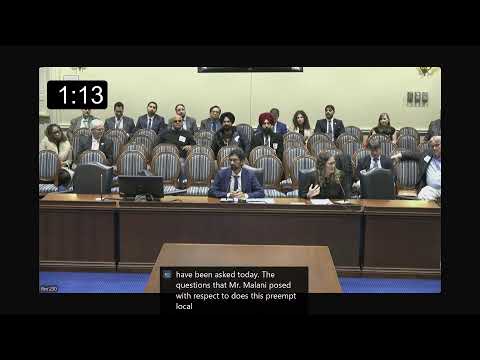
- Baltimore County: Delegate Eric Ebersole described bills allowing the county’s board to approve license relocations tied to long‑standing contract purchasers and developer situations; Jack Malani, speaking for the licensed beverage association, said he worked with sponsors on amendments.
- Frederick County: Delegation chair Delegate Pippe presented bills to create a beer/wine/liquor theater license and to increase tasting‑pour limits for barbershop/beauty‑salon licenses so small proprietors may use 6.5‑ounce mini bottles.
- Wicomico and Somerset counties: Proposals were heard for temporary to‑go event permits and tasting‑license authorizations for local venues and festivals, intended to ease operations at community events such as the Maryland Folk Festival in Salisbury.
Several bills focused on technical fixes or personnel matters — including HB410 and HB409 in Anne Arundel to adjust pay bands for inspector and deputy inspector positions to address recruitment and succession planning.
Where there was friction: The Anne Arundel Board of Liquor Commissioners objected to the HB99 quota bill as drafted because it would group retail (Class A) and tavern (Class D) licenses together, “which are a different business model,” Chairman Wayne Harris testified; the board said it could support quotas limited to packaged‑goods outlets but not a blended cap.
Why it matters: Many of the local changes are targeted and administrative but can materially affect market structure, employment and operations in counties — for example, new license categories for theaters or event venues change who can sell alcohol at community events, and quota or relocation rules affect where licenses can operate or move.
What’s next: Most delegation sponsors reported internal delegation votes or letters of support (several delegations noted they would submit formal vote sheets to the committee). In many cases sponsors said they would provide requested delegation letters or amendments to committee staff before subcommittee consideration. No committee floor votes were recorded on these items at Wednesday’s hearing.
Takeaway: The session underscored the built‑in complexity of Maryland’s county‑based licensing system — small statutory changes often require detailed local negotiation and can provoke widely different views among liquor‑board staff, delegates and business groups.