Get Full Government Meeting Transcripts, Videos, & Alerts Forever!
Get email alerts on the Short Term Rentals topic
No spam. Unsubscribe anytime.
Kodiak Island Assembly weighs licensing, moratorium and enforcement options for short-term rentals
Summary
At a Jan. 9 Kodiak Island Borough Assembly work session, staff outlined a proposed short-term rental licensing program and enforcement tools; assembly members debated insurance requirements, moratoria and whether to cap listings as a way to protect housing stock. A draft ordinance will be discussed Jan. 30.
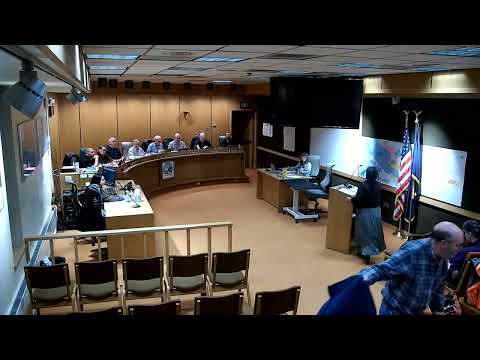
Kodiak Island Borough Assembly members spent the bulk of their Jan. 9 work session examining ways to regulate short-term rentals, hear staff recommendations on licensing and enforcement, and set a timeline for drafting an ordinance.
Assembly Manager Amy (borough manager) told members she believes the borough should create “a licensing program” that would require owners and operators to register with the borough and pay the transient accommodations ("bed") tax. She said the borough could require commercial lodging insurance and use annual licensing to produce a yearly snapshot of how many dwellings are operating as short-term rentals. “I do believe we should create a licensing program,” she said, adding that a licensing requirement could be paired with inspections, zoning checks and insurance requirements.
Why it matters: Assembly members repeatedly framed the discussion as a housing-stock question as well as a tourism and public-safety issue. Speakers noted that short-term rentals can provide income for hosts but may also reduce the supply of housing available to long-term residents, and that any new rules will require enforcement resources to be effective.
Staff and members gave concrete figures and options. Amy said a quick search of Airbnb and VRBO showed about 160 listings for Kodiak; she also said the borough’s accommodations tax rate is 5 percent. She described enforcement options including a tiered fine structure, license suspension or revocation, anonymous community reporting tools and commercial software that scrapes public listings and georeferences them to addresses.
Assemblymember Ryan Sherritt, who proposed removing a separate procurement contingency elsewhere on the agenda, pressed for clearer standards for contracting and enforcement here as well. He argued the borough needs better upfront estimates and project management to avoid “scope creep” and to make enforcement feasible. He also supported a licensing approach that would require operators to register and maintain proof of insurance.
On insurance and safety: Staff described commercial lodging liability insurance as a likely requirement; Amy said the typical coverage municipalities ask for “can range anywhere from typically $500,000 to $1,000,000 per property” to protect against liability similar to hotels or lodges.
Debate over a moratorium and caps: Multiple assembly members supported a short-term moratorium or a cap on new licenses while the borough puts rules and enforcement in place. Supporters said a moratorium would stop further conversion of long-term housing into short-stay units while the assembly and staff finish an ordinance. Others warned a cap would create demand for unused licenses and suggested grandfathering existing operators. City staff numbers cited during the meeting: the City of Kodiak reported 58 active accommodation-tax payers currently registered within city limits.
Enforcement costs and staffing: Members repeatedly returned to enforcement capacity — who will run a licensing program, how the borough would collect fines, and whether the borough should hire a procurement or licensing officer. Staff noted technical work already under way, including updated maps from the assessor’s office; staff said maps would be updated again before the Jan. 30 meeting when three assembly members planned to present a draft ordinance.
Next steps: The assembly scheduled a discussion of a proposed ordinance for Jan. 30. Staff will update the assessor’s maps and provide additional information about enforcement options at that meeting. Assembly members asked for more data about how other Alaskan municipalities structure licensing and about local hotel occupancy and economic impacts.
The discussion produced no vote; members directed staff and the three-authoring assembly members to continue drafting an ordinance and to return with updated data and maps at the Jan. 30 meeting.