Get Full Government Meeting Transcripts, Videos, & Alerts Forever!
Get email alerts on the Homelessness topic
No spam. Unsubscribe anytime.
City staff seek dedicated encampment coordinator and expanded outreach as unsheltered counts rise
Summary
The Office of Homelessness Prevention and Intervention proposed hiring an encampment coordinator and expanding street‑outreach funding after officials reported unsheltered counts more than doubled and encampment removals rose in 2024; the director also urged reviewing funding restrictions on the Innovative and Sustainable Solutions Fund.
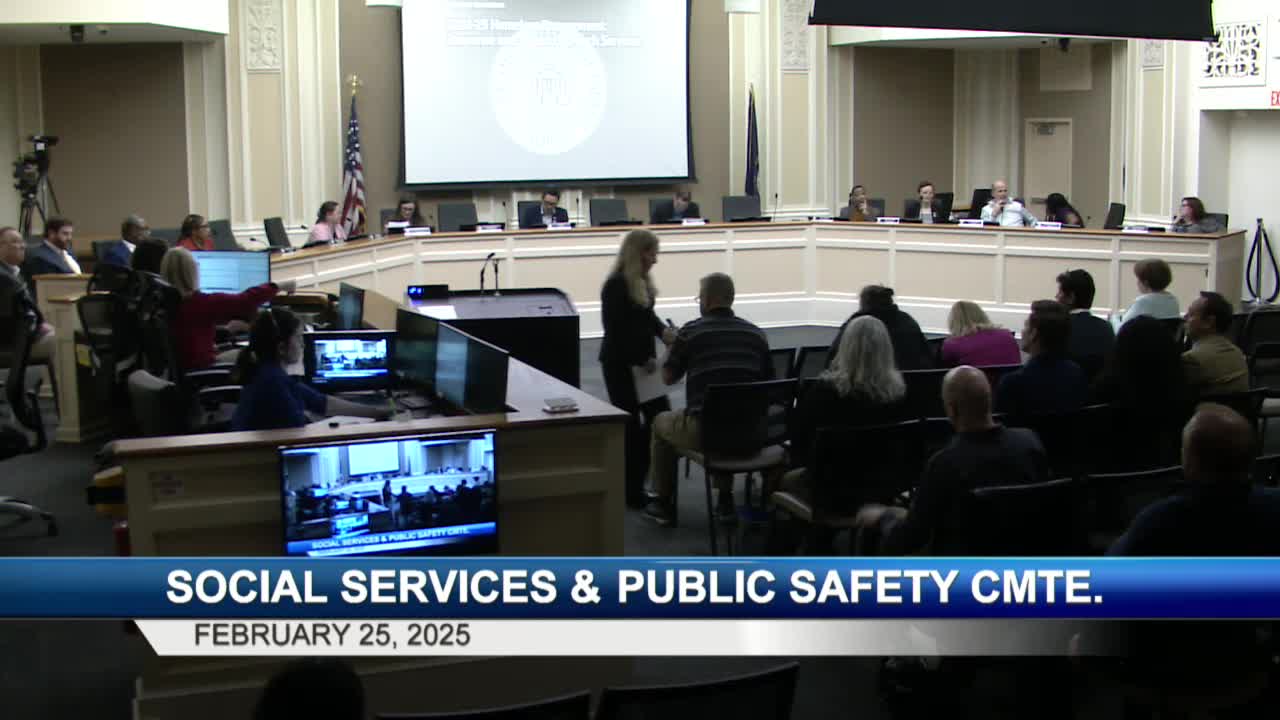
Jeff Heron, director of the Office of Homelessness Prevention and Intervention (OPIE), asked the council committee to consider a dedicated encampment coordinator and additional street‑outreach staffing to address a reported rise in unsheltered homelessness and encampments across Lexington.
Heron said outreach services meet people where they are, reduce barriers to assistance and connect unsheltered individuals to emergency and permanent housing. “Simply put, we need to put more resources into this area,” he told the committee.
Heron reviewed the history of local street outreach: a 2016 pilot funded at about $75,000; a 2019–2023 assertive outreach model run by Community Action Council funded at about $280,000 per year that paired outreach with intensive case management; and a more recent contract with the Hope Center funded initially at about $300,000 and now “just over $316,000 annually,” he said. He described the Hope Center team as operating extended hours, carrying an active caseload and adding peer mentors with lived experience.
Heron said the need for outreach has grown: the 2024 “Lex count” identified 82 unsheltered persons, up from 38 in 2023; Hope Center’s outreach contacted more than 500 people in its first annual period, he said. He also described operational costs: the city cleared 28 camps in fiscal year 2024, costing “over $50,000” in total and an average cost per camp that the director stated during the meeting. Heron warned that House Bill 5, which went into effect July 15, 2024 and made public camping unlawful, complicates outreach by increasing the urgency of responses and may push people into less visible locations.
To improve operations, Heron proposed creating an encampment coordinator position (salary and fringe estimated at $85,000 annually) and procuring a vehicle (estimated $45,000 initial cost) to enable staff to coordinate removals, manage contracted outreach partners and maintain timelines and administrative follow‑up. He also recommended examining the city’s Innovative and Sustainable Solutions Fund ordinance (identified in the presentation as ordinance 103‑2014) to remove a restriction that prevents using that fund for ongoing operations, which would allow more sustainable support for outreach if council chooses.
Council members asked about partner models and feasibility. Councilmember Morton asked whether public safety entities had been consulted about embedding outreach teams in law enforcement; Heron said recent discussions were limited and that staffing capacity in public safety would be a hurdle. He described alternative models—partnerships with paramedicine teams or colocating outreach in other agencies—that have been used elsewhere.
Councilmember Sheehan and Vice Mayor Dan Wu expressed support for an encampment coordinator and recommended that any ordinance changes be coordinated with the Continuum of Care and the homelessness prevention board; Sheehan said she would work with the director and board to develop recommendations. Councilmembers also asked about a feasibility study referenced in the presentation; Heron said EHI consultants are drafting a report and he expected a presentation of that study by late spring or early summer.
Heron stressed that outreach cannot end homelessness by itself and that interim and permanent housing options must expand. He recommended the city consider 24/7 outreach coverage and best‑practice models used in other cities to improve outcomes.
No formal council action to create the position or change the ordinance was taken during the committee presentation; members expressed support and asked staff and the homelessness board to continue refining proposals for the budget and for future council consideration.