Get Full Government Meeting Transcripts, Videos, & Alerts Forever!
Get email alerts on the Student Travel Safety topic
No spam. Unsubscribe anytime.
Board directs staff to draft tighter overnight‑trip rules after debate over Airbnb/VRBO use for school travel
Summary
After a presentation on the pros and cons of using vacation rentals for overnight team travel, the Hernando County School Board directed a member to draft a policy amendment restricting Airbnb/VRBO use for overnight student stays and asked staff to align district procedures and forms
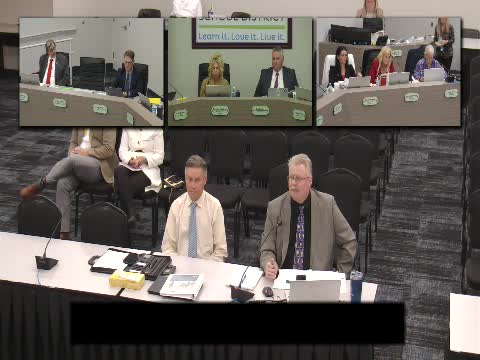
Coach Dustin Kupchuk presented research the board requested on the district’s use of short‑term vacation rentals (Airbnb, VRBO and similar) for overnight student travel and described advantages and risks associated with each lodging option.
Kupchuk, who said he reviewed peer‑district practice, told the board some Florida districts prohibit vacation rental use for school travel while others allow it with controls. He listed common advantages cited by coaches and athletic staff — lower cost for larger teams, more communal space for team activities, full kitchens for group meals and the ability to control access to the student group — and contrasted those with listed risks: no on‑site staff, potential hidden cameras or exterior surveillance, inconsistent property standards and uncertain compliance with safety features such as smoke or carbon monoxide detectors.
Coaches and staff argued cost savings can be substantial for larger squads. “Cost is definitely the big one,” Kupchuk said, and noted that, in his review, larger homes can reduce lodging costs compared with multiple hotel rooms. Kupchuk recommended the board consider clear written requirements if the district allows rentals: detailed itineraries, amenity lists, emergency contact and host information, and chaperone ratios tied to trip type (for example tighter ratios for water activities or out‑of‑county travel).
Board members raised safety and liability concerns. Board Member Susan Duvall said she could not support using private vacation rentals for overnight student stays given security uncertainties. “Safety always has to come first,” Duvall said. She said she would support hotels or a vacation‑rental product that is managed under the umbrella of a major hotel brand if those options can meet district safety standards.
Board Member Johnson agreed the board should act to reduce cost where possible, but suggested the district explore approved travel vendors or travel agents who could negotiate hotel discounts and streamline bookings. Several board members favored creating a district vendor or preferred‑provider list for hotels, rental cars and airfare to gain volume discounts.
After discussion, Board Member Duvall asked permission to draft a change to policy 2340 (field trips) to make explicit that Airbnb and VRBO style vacation rentals are not permitted for overnight student lodging and to align overnight‑trip paperwork and procedures across the athletic handbook, staff handbook and field‑trip forms. Several board members agreed; the board also asked staff to ensure that athletic trip forms and academic‑enrichment trip procedures are distinct where appropriate and to add clear chaperone rules (for example separate male/female chaperone requirements for co‑ed groups, and ratios for water‑related activities).
The board did not take a formal vote at the workshop. Instead members asked staff and the board member to draft a policy amendment and revised procedures for formal consideration at a future board meeting. Kupchuk said he would provide additional model language and examples from other districts if requested.
Ending — The board signaled it will restrict or tightly regulate vacation‑rental lodging for overnight student travel and directed staff and a board member to produce a policy amendment and revised trip procedures for a future meeting. It also asked staff to pursue preferred‑vendor agreements to reduce hotel and travel costs for teams.