Get Full Government Meeting Transcripts, Videos, & Alerts Forever!
Get email alerts on the Capital Improvement Plan topic
No spam. Unsubscribe anytime.
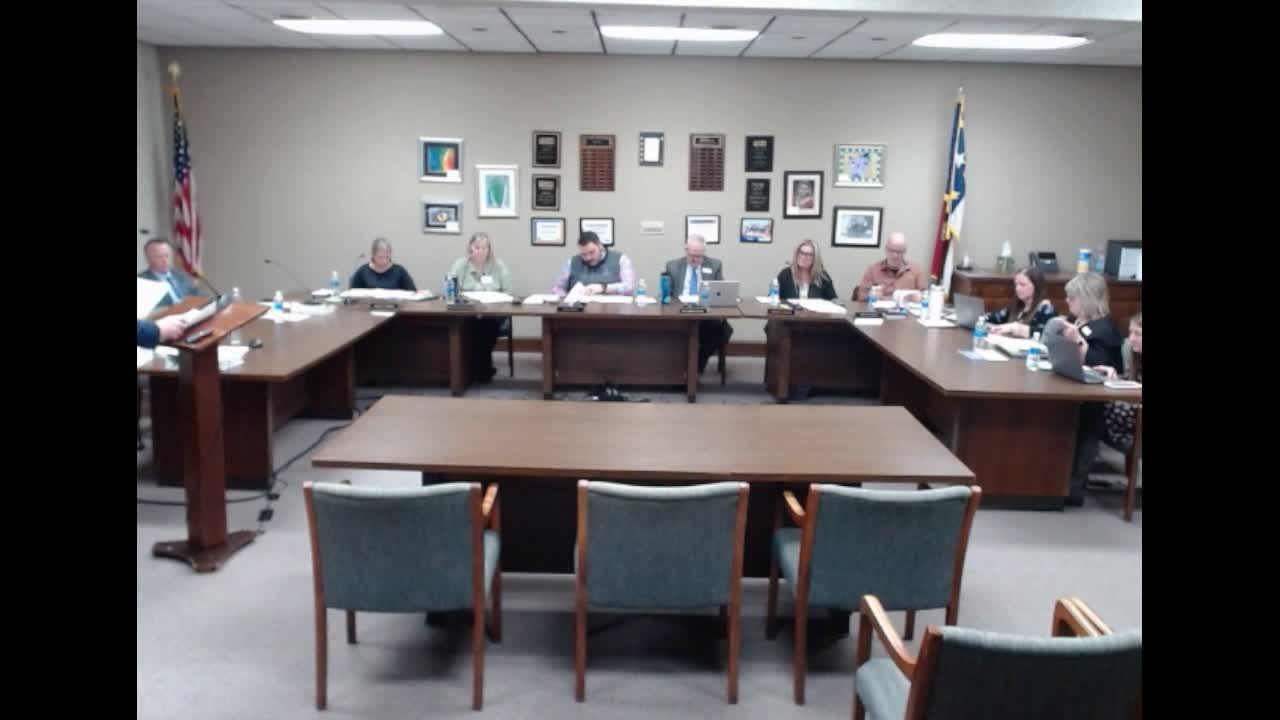
Davidson County Schools present $100 million-plus CIP: roofs, HVAC, pods and sewer among top priorities
Summary
District operations staff presented a 2025 through 2030 capital improvement plan to the Davidson County Board of Education that lists nearly $100 million in facilities needs, including HVAC and boiler replacements, multiple roof projects, removal or replacement of mobile classrooms (pods), and an estimated $2 million sewer connection for Davis Townsend Elementary School.
Operations staff presented the district 's 2025
through 2030 capital improvement plan (CIP) to the Davidson County Board of Education, describing nearly $100 million in facility needs and outlining funding gaps the district faces under current capital-outlay revenues.
The presentation described the CIP as an evolving planning document built from a facility-needs survey the district does every five years and from vendor and trade assessments at each campus. "This plan is an evolving plan that is updated yearly and submitted both to the county manager's office and to the Board of Education," the operations presenter said, describing how outside firms inspect roofs, HVAC, fire alarms and other systems and the district assigns cost estimates and priorities.
The operations overview listed top-line needs across the district: a $25 million target for HVAC and boiler replacements and widespread cooling improvements; multiple roof replacements (examples discussed included Davis Townsend and Reeds Elementary schools); safety and security improvements (cameras, access control and fire-alarm upgrades); and site work ranging from paving and covered sidewalks to garage and food-storage expansions for operations and nutrition services. The presentation also called out athletic-facility repairs and seating replacements at several campuses.
The operations staff noted the district has used a mix of capital-outlay funds, ESSER dollars, R&R lottery funds and grant awards to address some projects but said the total documented needs remain large. "We have a total of nearly $100,000,000 in needs," the operations presenter said, and the district currently receives roughly $2.5
to $2.7 million per year in capital outlay, a gap that would require decades at current revenue to close.
The CIP discussion addressed temporary classrooms (pods). Staff said the district has held off selling mobile units so they remain available while growth continues, but also called pods a short-term approach. "My answer is no," the operations presenter said when asked whether mobile units are a long-term sustainable solution; board members described some pods as decades old and raised safety and security concerns about students moving between buildings and into detached units.
A specific infrastructure item flagged in the CIP was a sewer connection for Davis Townsend Elementary School. Operations staff said that school still uses a septic system and estimated a connection to municipal sewer would cost about $2 million. Board members and staff also discussed a long-standing county debt-service line that the district appears to have been paying for sewer connections since the 1990s; multiple officials said documentation is incomplete and the county is still reviewing records.
Board members asked about sources of local funding. Staff recounted a quarter-cent sales tax that was previously used for school construction and currently applied to debt service; board members said they have begun preliminary conversations with the county manager about what will happen to that revenue stream after current debt is retired. The operations presenter said the county has about $14 million in debt service overall and the district is responsible for roughly $10 million of that share.
Board members and staff discussed making the CIP and the facilities report more accessible to the public so residents can understand the district 's capital needs ahead of any future funding proposals. One board member urged linking the CIP to the district website and running a public information push so taxpayers can see the details behind repair and replacement requests.
No formal action was taken; the presentation was informational and staff said they would continue to update the CIP, pursue grants and coordinate with the county manager's office on debt-service and funding questions.