Get Full Government Meeting Transcripts, Videos, & Alerts Forever!
Get email alerts on the Municipal Finance topic
No spam. Unsubscribe anytime.
External auditors to issue unmodified opinion on McKinneys fiscal 2024 financial statements; no material weaknesses reported
Summary
Weaver LLP presented results of the fiscal year ended Sept. 30, 2024, saying the firm will issue unmodified opinions on the citys financial statements and single audit and identified no material weaknesses, significant deficiencies or uncorrected misstatements.
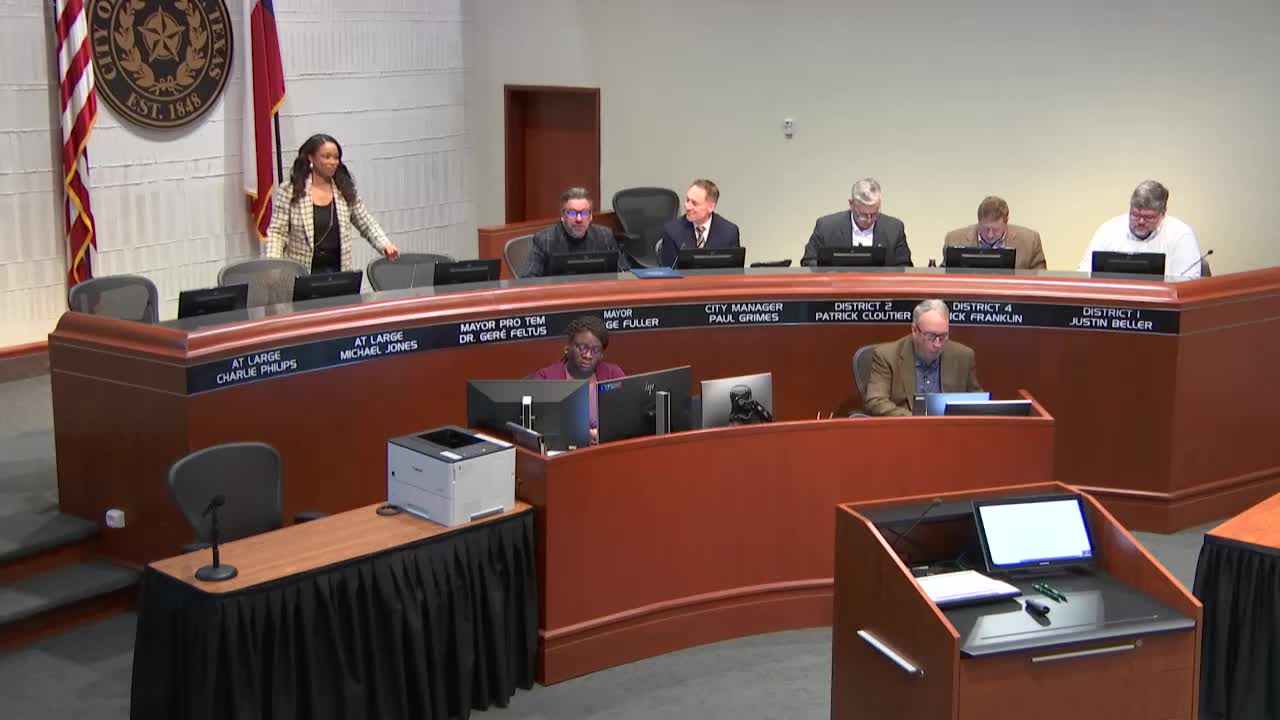
McKinney officials received a presentation Tuesday on the citys fiscal 2024 audit that auditors said will conclude with unmodified opinions on the financial statements and the state and federal single audits.
Claire Wootton, director at Weaver, told the City Council work session that the firm is presenting a draft and is "really only missing the legal letter to give our final buy off," after which, she said, "we will be issuing an unmodified audit report over the financial statements and an unmod unmodified audit report over internal control over compliance." The audit covered the fiscal year ended Sept. 30, 2024.
The audit is required by the city charter. The Weaver presentation summarized financial-statement testing, a single audit of federal awards, and state-level compliance work. Wootton said the single-audit work was performed in accordance with Uniform Guidance and with the "Texas grama management standards" as referenced in the presentation, and that compliance testing included procedures under the Public Funds Investment Act.
Wootton said Weaver identified no uncorrected misstatements, no material adjustments, no significant deficiencies and no material weaknesses. She also reported no independence issues. The firm noted two commonly recognized audit risks and the procedures used to address them: improper revenue recognition in the charges-for-services area (notably utility billing and the airport fund) and management override of controls. Wootton described journal-entry testing, unpredictable tests and review of significant accounting estimates as steps used to address management-override risk.
Chance Miller, the citys accounting manager, introduced the presentation and thanked finance staff for the year-end close work needed to produce the statements. A councilmember praised finance staff by name during the meeting and noted Weaver has been the citys external auditor for five years.
Wootton told the council the city implemented GASB 100 during the year but that the change "did not have a financial statement impact on the city." She also said actuarial-determined liabilities reported for pensions and OPEB reconciled to actuarial reports.
No suspected fraud or significant audit difficulties were reported, and Weaver said it had no disagreements with management. Wootton added the firm was not aware of management consulting other auditors about the engagement.
The presentation closed with an invitation for questions; the transcript records no formal vote or acceptance of the reports during the work session segment.
The council agenda listed the item as "Consider and discuss the annual audit results, and the acceptance of the annual comprehensive financial report and the federal state single audit reports for the fiscal year ended 09/30/2024." The work-session record shows the audit was presented and discussed but does not record a motion, second or vote on acceptance in the transcripted portion shown.