Get Full Government Meeting Transcripts, Videos, & Alerts Forever!
Get email alerts on the Right Of Way Restoration topic
No spam. Unsubscribe anytime.
Jacksonville council discusses ordinance to tighten right-of-way restoration, bonding and inspections
Summary
City staff and industry representatives debated a proposed ordinance that would require notice to nearby property owners, set surety-bond rules and add construction inspections for work in city rights of way. Industry said new requirements would be burdensome; councilmembers urged more data and another meeting before final action.
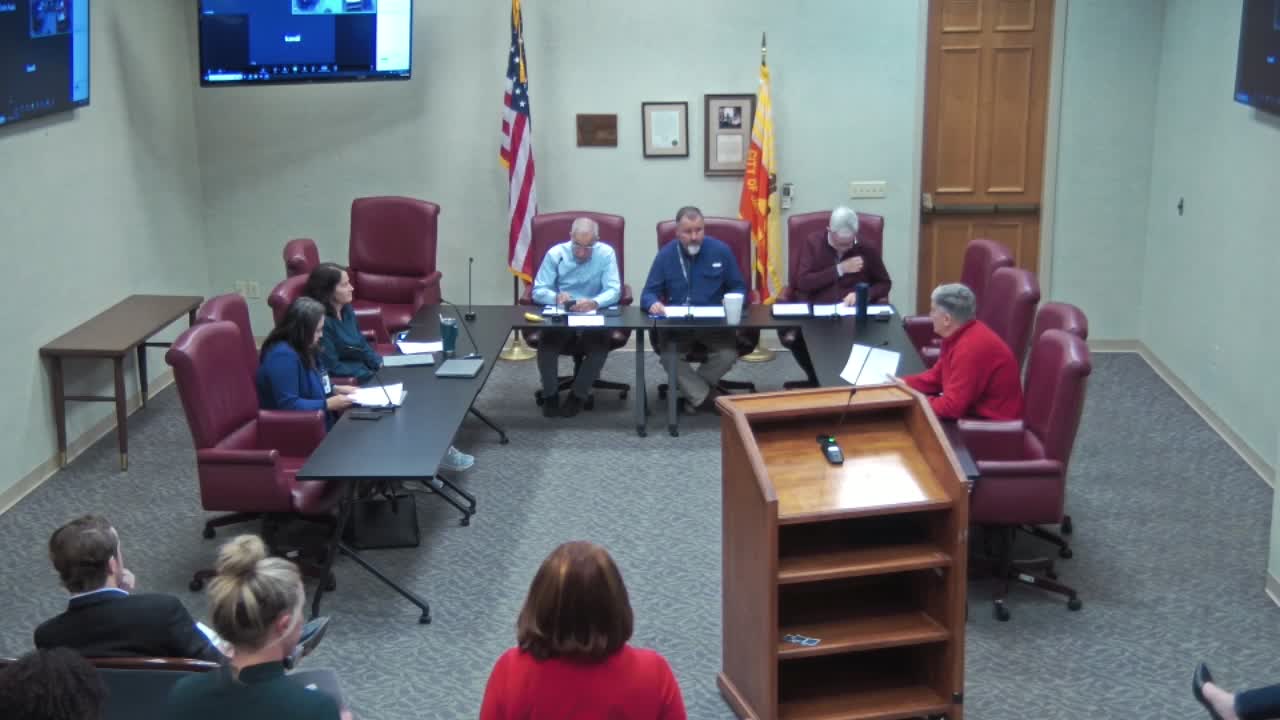
Council Member Mike Gay opened a discussion on a proposed ordinance aimed at strengthening standards for work in Jacksonville’s rights of way, saying the measure is intended to ensure roads and infrastructure are restored after private or utility work.
Jason Teal, the city’s Office of General Counsel, told the notice meeting that the ordinance grew out of complaints about how some projects were leaving public rights of way. “This all started because council member Gay brought up the issue with the manner in which people that were working our rights of way were leaving it,” Teal said, and said the draft incorporates input from Development Services, Public Works, auditors and industry representatives.
The draft distinguishes small, single-property projects from larger projects that affect multiple properties. For work benefiting just one abutting residential structure, the city would allow an annual surety bond or irrevocable letter of credit — $10,000 for non-utility projects and $50,000 for utility companies, the draft says. For other projects, permittees would need either a project-specific surety (a percentage of the project cost) or $10,000, whichever is greater; for very large projects the existing requirement for surety equal to 100% of the project cost would remain, Teal said.
The ordinance would also add notice and inspection requirements. Projects that affect more than one property would require written notice to abutting property owners and anyone within 350 feet of the project area at least five business days before work begins; the notice would include contact information, start and estimated completion dates, a map of the affected area and expected utility disruptions. The draft draws that 350-foot radius from a notice practice used for rezonings, Teal said.
On inspections, the draft would require construction engineering and inspection (CEI) presence for project stages where work is being restored to city standards. Ellen Cavan of Development Services said the intent is to avoid continuous oversight and require CEI only at “milestones” such as before concrete or asphalt is covered, to verify compaction and thickness. The city would allow permit applicants to hire a private inspector or use city inspectors; the city can charge reinspection fees when work fails to meet standards.
Industry representatives strongly objected to several elements. Kevin Craig of AT&T said his company and others had already agreed to increase an annual bond from $5,000 to $50,000 in good faith but objected to requiring a separate surety for every small project. “Creating surety bonds for every individual small project creates an administrative state,” Craig said, adding that providers already deploy crews quickly when the city reports problems and rarely require bond draws.
Jen Boyette, government affairs at Comcast, cited Florida Statute 337.401 and questioned whether municipalities can impose some of the proposed requirements on communication service providers. “We do notify in certain places, just not in every instance,” she said, and urged the city to rely on existing contact lists and response practices rather than new codified steps.
TECO representatives said they also provide internal and third-party inspections and requested the city provide full complaint records so industry could analyze the scope of problems. Carlo Fassi of TECO Peoples Gas asked for copies of all complaints and their timing so providers can respond promptly.
Council members and staff sought more data and a balance between accountability and added cost. Council Member Ron Salem cautioned against creating a “bureaucratic nightmare,” while others noted Development Services receives roughly 10–12 complaints a month about right-of-way work and staff reported about 200 utility right-of-way permits per month; AT&T said it serves more than 6,000 locations in the city in a typical month and industry speakers estimated that combined activity affects tens of thousands of properties monthly.
Council Member Gay said the ordinance proposal is not an accusation against major providers but an attempt to address the broader set of contractors and small companies that also work in the right of way and sometimes leave unrepaired damage. He proposed deferring the item for further staff-industry talks and to circulate updated draft language before another public meeting.
No vote or formal action was taken during the notice meeting; councilmembers directed staff to continue dialogue and return with revised language and additional information.