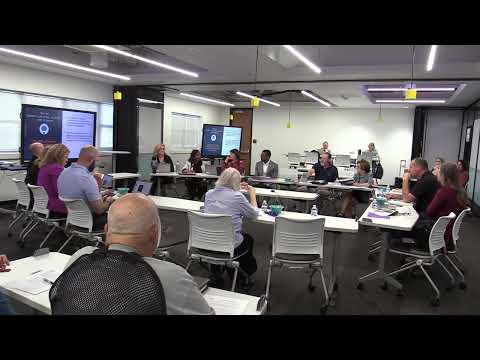
Georgetown ISD midyear review: literacy showing gains, math improvement still a priority
Loading...
Summary
At a Feb. 4 Georgetown ISD workshop, district leaders said beginning-to-midyear checks show gains in literacy and classroom implementation but flagged math and staffing for targeted interventions; administrators reported results from classroom walkthroughs, PLC work and parent surveys.
Georgetown Independent School District leaders told trustees at a Feb. 4 workshop that midyear evidence shows students are making measurable gains in literacy while mathematics remains an area needing additional focus.
Dr. Sonia Howard said the district’s beginning-of-year to midyear comparisons in K–8 reading show students “on track” and credited implementation of phonics routines and focused work on comprehension and writing. “This is a good evidence of that work,” Howard said, reporting that district data show improvement in reading since fall.
The presentation included classroom-walkthrough data and professional learning community (PLC) work designed to align instruction and monitor student progress. Howard said administrators have logged more than 2,500 walkthroughs across the district and that 86% of visited classrooms showed learning at grade level on the district’s walk-through form; 78% of observed lessons aligned to the GISD curriculum. Howard noted the district’s goal was 80% alignment.
District staff described a tiered intervention approach. Howard said Tier 2 instruction often happens inside classrooms as teachers pull small groups, and that many teachers are already using targeted group instruction. She added the district is still building consistency so Tier 2 becomes routine across classrooms. On Tier 3 supports—more intensive interventions—the district acknowledged staffing shortfalls at some high-need campuses. “We do need additional [staffing] with our priority schools,” Howard said.
Trustees and staff described PLCs as the place where teachers “unpack” standards and plan common formative assessments. Howard said next steps include helping campus teams interpret data to determine “what happens if they don’t [learn] and what happens if they do,” and running additional professional learning sessions focused on mathematics planning and writing conferences.
The board heard updates on the district’s learner-profile recognition work: staff reported 105 students recognized at campus and district levels since Oct. 1, and a parent survey showing about 72% of parents this fall said they felt well informed about learner-profile progress (an increase from the prior spring). Howard said campus examples include small recognition programs at McCoy Elementary and Georgetown High School, and advisory work at Wagner focused on personal responsibility and organizational skills.
Leaders also reported early postsecondary-readiness supports: a grant-funded academic-adviser position (Maricela Gomez) is advising freshmen on pathways and course sequences; staff said career-interest profiles have been administered for middle grades as part of that grant work. Trustees were told that some college- and career-readiness metrics for the 2024 graduating class remain incomplete because data from programs such as OnRamps were still being verified.
Board members and staff emphasized that while literacy gains are encouraging, the district will prioritize more PLC time and targeted professional learning for mathematics and writing. Several trustees praised campus support-team meetings and administrator classroom presence as helpful in identifying and rapidly following up on classroom needs.
The midyear review materials presented at the workshop are scheduled for additional discussion at the February board meeting.