Get Full Government Meeting Transcripts, Videos, & Alerts Forever!
Get email alerts on the Elementary Reading topic
No spam. Unsubscribe anytime.
River Falls elementary principals outline reading-screening baseline and new curriculum work under Act 20
Summary
Elementary principals reported winter-screening results and described implementation of a new reading resource (Collaborative Literacy), use of AIMSweb and FastBridge assessments, small-group phonics, and individualized reading plans required by Act 20.
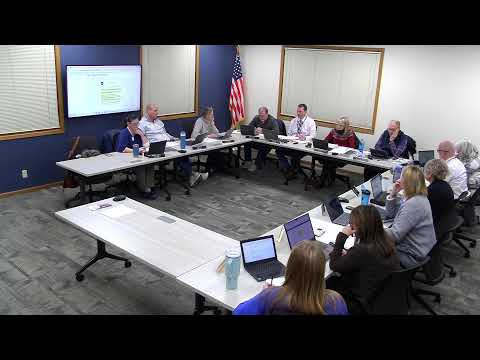
Elementary principals presented a detailed update to the River Falls Board of Education on Feb. 17 about reading assessments, curriculum changes and compliance with Wisconsin’s Act 20 requirements.
School leaders said the district is using AIMSwebPlus for kindergarten through third grade and FastBridge for grades 4–5. This winter window is serving as a new baseline under the recently reintroduced AIMSweb screening regimen. Principals described differences between grade-level assessments — letter names and sounds for kindergarten, oral reading fluency (words per minute) for grades 1–3, and a broader reading measure for grades 4–5 — and said the district is still calibrating how it will compute growth and measure “meeting growth goals.”
Principals described a classroom-focused approach tied to the district’s chosen instructional resource, Collaborative Literacy, and emphasized that everyday student work and frequent small-group mastery checks are being used to inform instruction and interventions. Kindergarten through second-grade phonics are being taught in small groups with periodic mastery checks every four weeks, administrators said.
The principals addressed how Act 20 requires that students who fall below the 25th percentile (noted in the meeting as the 20th percentile threshold used by the district) be tracked and provided personal reading plans. "We essentially did all of our screening data," one principal said, describing a process that included classroom assessments, diagnostic testing administered by substitutes for teams and team meetings with intervention staff to write reading plans and communicate them to families.
Principals also discussed the Montessori program’s Transparent Classroom tracking tool, child-study meetings to address needs in tier 1, and efforts to align interventions (such as UFLI and SIPs) across buildings to allow smoother transfer of students between intervention settings and classrooms. They said the district has implemented a consistent PLC (professional learning community) schedule and is tracking participation and fidelity of implementation.
Board members asked how fluency-only metrics can affect the number of students placed on reading plans; principals noted examples where a student was flagged for fluency but scored highly on comprehension, and described individualized interventions such as repeated reading to increase fluency while maintaining comprehension supports.
The principals concluded that the district is in an intensive implementation year — building teacher toolkits, completing fidelity checks and using multiple assessments to inform instruction and comply with statutory screening requirements.