Get Full Government Meeting Transcripts, Videos, & Alerts Forever!
Get email alerts on the Staffing Special Education topic
No spam. Unsubscribe anytime.
River Falls board signs off on phase 1 staffing plan aimed at growing special-education capacity
Summary
The board approved the personnel committee's recommendations to accept a Phase 1 staffing plan to add positions addressing rising special education caseloads, adopt the 2026–27 calendar and begin contract negotiations.
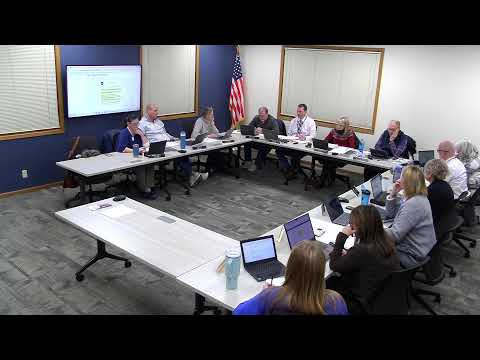
The River Falls Board of Education approved a Phase 1 staffing plan on Feb. 17 that adds personnel intended to address a growing special education caseload, the district said during the meeting.
District administrators told the board the district’s overall enrollment remains relatively flat, but special education enrollment has increased by more than 70 students over four years and the complexity of needs has grown. Administrators said caseloads for related services such as speech-language, occupational therapy and physical therapy exceed state guidance and that special-education staff are harder to recruit and hire.
"We're seeing more kids that are qualifying for special education not just in one area but in multiple areas," said a member of the administrative team during the personnel committee report. Administrators noted the district must meet federal requirements under the Individuals with Disabilities Education Act (IDEA) and described the proposed hires as essential to fulfill legal and instructional obligations.
The personnel committee presented three recommendations the board approved: accept the Phase 1 staffing plan for 2025–26, adopt the 2026–27 school-year calendar and authorize the commencement of contract negotiations with district bargaining units. The board voted to approve the motion as presented.
Board and staff members emphasized that Phase 1 is intended to speed hiring for difficult-to-fill positions and that a potential Phase 2 could follow depending on need and budget. District officials said acting early in the hiring cycle improves the chance of attracting qualified candidates.
The board also reviewed comparative caseload data with neighboring districts and state benchmarks and discussed the unfunded nature of many special-education costs. Administrators noted Wisconsin currently funds about 33% of special education costs through state reimbursement and that proposals at the state level could change that percentage.
The board’s approval allows HR to post positions and begin recruitment under the staffing plan.