Get Full Government Meeting Transcripts, Videos, & Alerts Forever!
Get email alerts on the Housing topic
No spam. Unsubscribe anytime.
Residents and assembly debate housing fixes: short-term rentals, zoning and sprinkler rules discussed
Summary
Public commenters and assembly members pushed for a mix of zoning changes, building code exemptions and other actions to expand housing supply; short-term rental limits drew both criticism and calls for broader policy fixes.
Public comment and assembly discussion on Feb. 6 returned repeatedly to Kodiak’s housing shortage, with residents urging a combination of zoning changes, building-code revisions and outreach to housing providers to improve supply.
Why it matters: Assembly members said Kodiak faces a multi-faceted housing shortage that will not be solved by a single policy; several commenters and at least one assembly member urged targeted code changes that could lower the cost of creating multi-unit housing.
Resident concerns and suggestions: Chris Burns, introduced as a resident, questioned treating short-term rentals as the primary cause of Kodiak’s housing shortage. “Short term rentals provide house cleaning businesses… the city and the borough collect 12% of every dollar that gets made on these short term rentals,” Burns said, noting local economic ties to the rental market and urging financial literacy education.
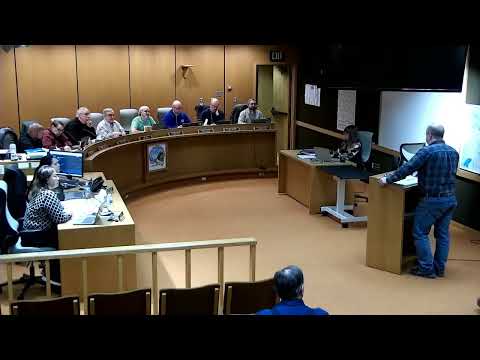
Another resident, Dan Rohrer, proposed three specific changes to local land-use and building rules he said would increase housing supply: 1) create an exception process through planning and zoning to allow housing on commercially zoned lots where neighbors support it; 2) permit mixed-use buildings (shops with two-bedroom apartments above) in more zones without imposing costly sprinkler requirements; and 3) restore exemptions that previously allowed triplexes and fourplexes to be built without sprinkler systems where adequate multi-hour firewalls are provided. Rohrer said the sprinkler requirement makes small multi-family projects financially infeasible.
Assembly reaction and next steps: Assembly members and staff said the housing problem is “multifaceted” and suggested options including releasing borough land for development, reviewing building-code provisions and seeking partnerships with property managers and housing authorities. Several assembly members asked staff to bring more data and options to future meetings, and the lands committee reported preliminary subdivision and land-disposal recommendations that could add developable lots to the market.
What was not decided: No ordinance or code change was adopted at the meeting. Several assembly members urged further study, data collection, and meetings with builders and service providers before any specific code amendments are proposed.
Provenance: The topic was raised during public comment (Chris Burns and Dan Rohrer) and was discussed by multiple assembly members and committee reports in the meeting packet and work session references.