Get Full Government Meeting Transcripts, Videos, & Alerts Forever!
Bend advisory group explores off‑site stormwater options as infill reduces on‑lot space
Summary
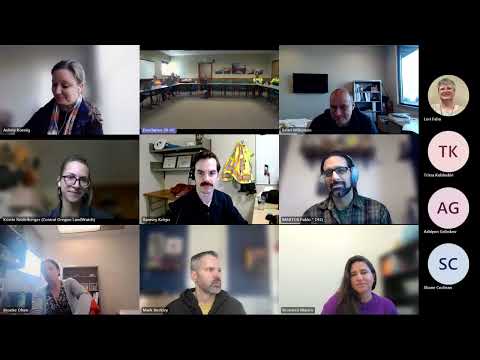
The Water Advisory Group (WAG) convened in early January for its first 2025 meeting to continue work on “drainage and density,” focusing on how the city can manage stormwater as infill and higher‑density development reduce on‑lot space for traditional retention systems.
The Water Advisory Group (WAG) convened in early January for its first 2025 meeting to continue work on “drainage and density,” focusing on how the city can manage stormwater as infill and higher‑density development reduce on‑lot space for traditional retention systems.
City of Bend environmental resources manager Lori Fayad said the discussion will feed a planned white paper and the stormwater master plan update and noted the city must align with requirements in its DEQ permit, including a November permit deadline discussed during the meeting. "This gives us license to think about more variety of ways to handle stormwater in a more efficient way," Lori Fayad said.
Why it matters: Bend’s stormwater rules currently expect stormwater to be retained on the parcel where it originates. That approach is becoming harder to meet as lot sizes fall and multifamily and mixed‑use projects become more common. The state permit language and pending DEQ guidance also push the city to define a hierarchy of stormwater management options and to apply water‑quality standards to sites that add or replace substantial impervious surface.
Discussion and options
City staff and meeting participants — including developers, engineering consultants and representatives from the Oregon Department of Environmental Quality (DEQ) — focused on three practical strategies the city could expand or clarify: preserving the status quo of fully on‑site management where feasible; allowing subdivision‑level or shared private facilities that serve multiple lots; and permitting facilities in the public right of way or other public sites (for example, parks) where space is limited.
Pablo Mart…
Already have an account? Log in
Subscribe to keep reading
Unlock the rest of this article — and every article on Citizen Portal.
- Unlimited articles
- AI-powered breakdowns of topics, speakers, decisions, and budgets
- Instant alerts when your location has a new meeting
- Follow topics and more locations
- 1,000 AI Insights / month, plus AI Chat