Get Full Government Meeting Transcripts, Videos, & Alerts Forever!
Get email alerts on the Personnel Costs topic
No spam. Unsubscribe anytime.
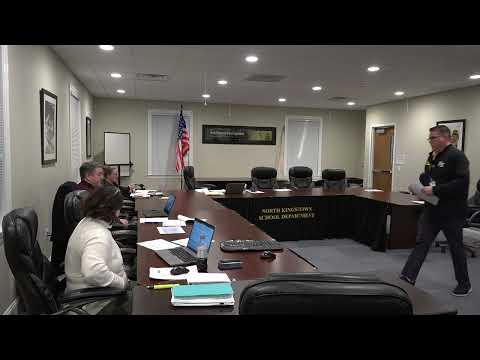
Committee hears staffing requests and rising personnel costs; substitutes and stipends under review
Summary
Finance staff told the advisory committee that salaries and benefits together show approximately a $1.5 million increase over last year; members flagged stipend, substitute and special-education staffing requests that could add material costs.
Leslie Powell, the district’s director of finance, told the advisory committee that salaries and benefits combined are projected to rise by roughly $1.5 million in the FY2026 draft. She also said benefits alone — driven primarily by health-care and pension costs — are projected to increase by about $635,000 based on current working rates and an assumed 6.5% health-insurance increase.
Powell said the benefits projection is calculated from the district’s working rates and the various plans employees hold; final insurance rates will be confirmed when carriers publish rates in the spring. The draft budget uses a 6.5% health increase in payroll-cost projections but Powell invited the committee to consider adjusting that figure if members prefer a more conservative or more aggressive assumption.
The committee also discussed non-salary compensation lines. Powell noted that stipends and “other salaries” lines aggregate many items — summer-school stipends, coaches, class-coverage pay and long-term substitute costs — and total nearly $2 million in the draft. She said one driver of a year-to-year jump in that category was higher-than-anticipated actuals for class coverage in the high school for FY24.
Committee members asked about substitute pay and retention. Powell confirmed a comparative spreadsheet was prepared showing other districts’ pay rates and said proposals under discussion raise substitute pay to improve fill rates. The committee discussed a proposed long-term substitute rate of $200 and asked Powell to confirm projected costs tied to any rate change. Powell said her end-of-year projections and the full substitute tab in the backup will be provided.
Special-education staffing and other FTE requests were also a central topic. Committee members noted the packet shows a substantial increase in special-population percentages compared with prior data (Transcriber: packet cited a 22.8% special-population figure vs. prior 13.9%). Several school leaders asked for additional intervention and mental-health positions; Powell said requests in the draft add approximately 16.3 FTEs and that adding those positions would carry a multi‑hundred‑thousand-dollar impact (a figure discussed in the meeting was about $1.7 million in total when all new positions are included). Powell said she and the superintendent will prioritize requests and present recommendations to the school committee.
Powell promised to send the full salary backup spreadsheet and to provide clearer FTE breakouts by grant-funded vs. general-fund positions so the committee can weigh recurring costs versus grant-funded roles.
Committee directions included providing summary tables of the largest variances, separating enterprise/grant/general fund totals, and producing historical comparisons of FTEs and breakouts by benefits eligibility to show cost drivers more clearly.