Get Full Government Meeting Transcripts, Videos, & Alerts Forever!
Get email alerts on the Early Childhood Education topic
No spam. Unsubscribe anytime.
Maricopa County Head Start gives $1,000 per classroom at annual supply shopping spree
Summary
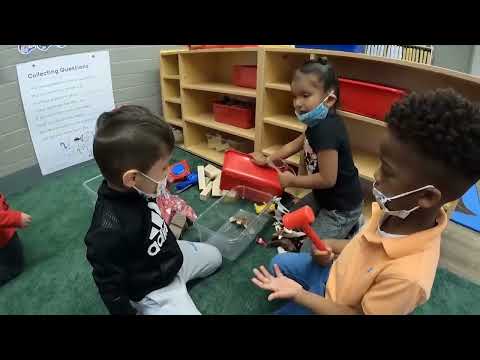
Maricopa County Head Start held its second annual school-supply shopping event, providing $1,000 per classroom so teachers can buy materials tailored to their curriculum and students, program staff said.
Maricopa County Head Start held its second annual school-supply shopping spree, providing $1,000 per classroom for teachers to buy instructional materials and classroom supplies, program staff said.
The event aims to ensure classrooms are stocked with materials aligned to teachers' curriculum and students' interests, and to relieve teachers who previously paid for supplies out of pocket. Shannon Hinesley, a Head Start site supervisor, said that support from the program helps teachers focus on instruction.
"Before I worked for Head Start, I and many of my fellow teachers would buy their own school supplies for their students and their classrooms," said Shannon Hinesley, Head Start site supervisor.
A program staff member described the event as a planned opportunity for teachers to select materials that "enhances their school readiness outcome," noting the materials help "individualize the instruction that they're providing ... to children, which enhances their school readiness outcome. So we know that children are gonna come out of the classroom ready to learn when they transition to kindergarten."
Hinesley said that under the program "we are we're stocked. And if we need something, we ask for it, they order it, or we wait for a shopping day like this. Here we go." Another Head Start educator who participated said the event helped teachers "feel valued" and underscored the role teachers play in the program.
The shopping day was described in the meeting as the program's second annual event. Program staff said the $1,000 allocation is provided per classroom; the transcript did not specify how many classrooms received funds or the program-wide total of the allocation.