Get Full Government Meeting Transcripts, Videos, & Alerts Forever!
Get email alerts on the School Finance topic
No spam. Unsubscribe anytime.
District budget shortfall estimated at $7.2 million; electric buses flagged as costly and logistically challenging
Summary
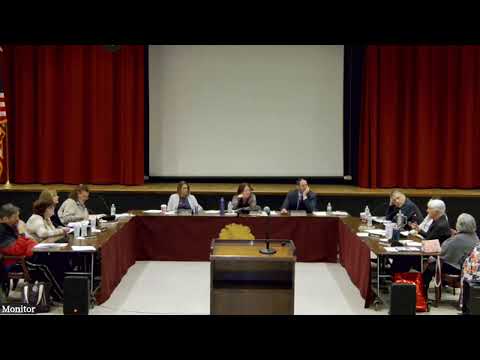
The district's business officer outlined a projected roughly $7.2 million gap in the preliminary 2025-26 budget, citing assumptions on state aid, health insurance increases and staffing; the presentation included an extended discussion on the fiscal and logistical challenges of converting the fleet to electric buses.
The Arlington Central School District presented an initial budget overview that showed a preliminary shortfall of about $7.2 million for the 2025-26 fiscal year and laid out the main assumptions driving that gap. The district's finance lead, Kevin, said the administration was working with conservative assumptions while awaiting state aid figures and final health insurance and pension rates.
Kevin summarized the principal assumptions: a state aid estimate of roughly 2 percent, an assumed tax-levy increase of about 2 percent for planning purposes, and a health insurance increase assumption of approximately 8 percent. "The current shortfalls are around $7,000,000, $7,200,000," Kevin said. He emphasized uncertainty in several key variables — the governor's state aid proposal, final TRS/ERS rates, and health-insurance renewals — and noted the budget process will continue through March with adjustments as those figures firm.
Budget scale and options: Kevin said the district anticipates an expenditure plan of roughly $272.9 million and projected revenue of about $265 million, producing the shown differential. He said the district can reduce the gap by increasing revenue assumptions, reducing expenditures (including staffing), or using one-time sources such as fund balance or interfund transfers.
Electric buses: A substantial portion of the meeting's discussion centered on electric school buses and their cost and operational risks. Kevin described multiple constraints: long lead times (he cited two years for delivery of a small bus ordered previously), uncertainty about vendor readiness and safety compliance, higher unit costs, and infrastructure limitations at district garages and in the local electric grid. "If we went to electric buses, we're talking about 10 or 11 or $12,000,000, not 3 and a half," Kevin said, contrasting the district's typical annual bus propositions of roughly $3.5 million. He also noted that proposed state aid timing for electric buses uses a longer amortization schedule (8 years under recent changes) than for conventional buses (5 years), changing the aid flow to districts.
Board members and others asked practical questions about battery range in cold weather, charging infrastructure, insurance costs and available grant funding. Kevin said federal and state grant pools appear insufficient to convert the entire state fleet quickly and that the district must weigh student programming trade-offs if large sums are redirected to bus procurement and infrastructure.
Why it matters: The budget deficit, combined with rising health-care and staffing costs, will shape discussions about tax levy planning, staffing levels, capital project timing, and whether to place additional propositions before voters. The electric-bus mandate and its timeline could require significant capital and operating choices with multi-year implications.
Next steps: The budget process continues through March; district staff will present department-level budgets and options for closing the gap, and the board will consider propositions for buses, vehicle replacements and possible additional capital items tied to the larger building project.