Get Full Government Meeting Transcripts, Videos, & Alerts Forever!
Get email alerts on the Building Decarbonization topic
No spam. Unsubscribe anytime.
Cambridge City Council reviews Net Zero Action Plan for buildings, staff say more aggressive steps needed
Summary
Council heard a staff presentation on the Net Zero Action Plan for buildings and the FY2024 progress report. Staff and council members noted only a 1% emissions reduction in the plan's first five years and said the city must accelerate measures and secure financing to meet long-term targets.
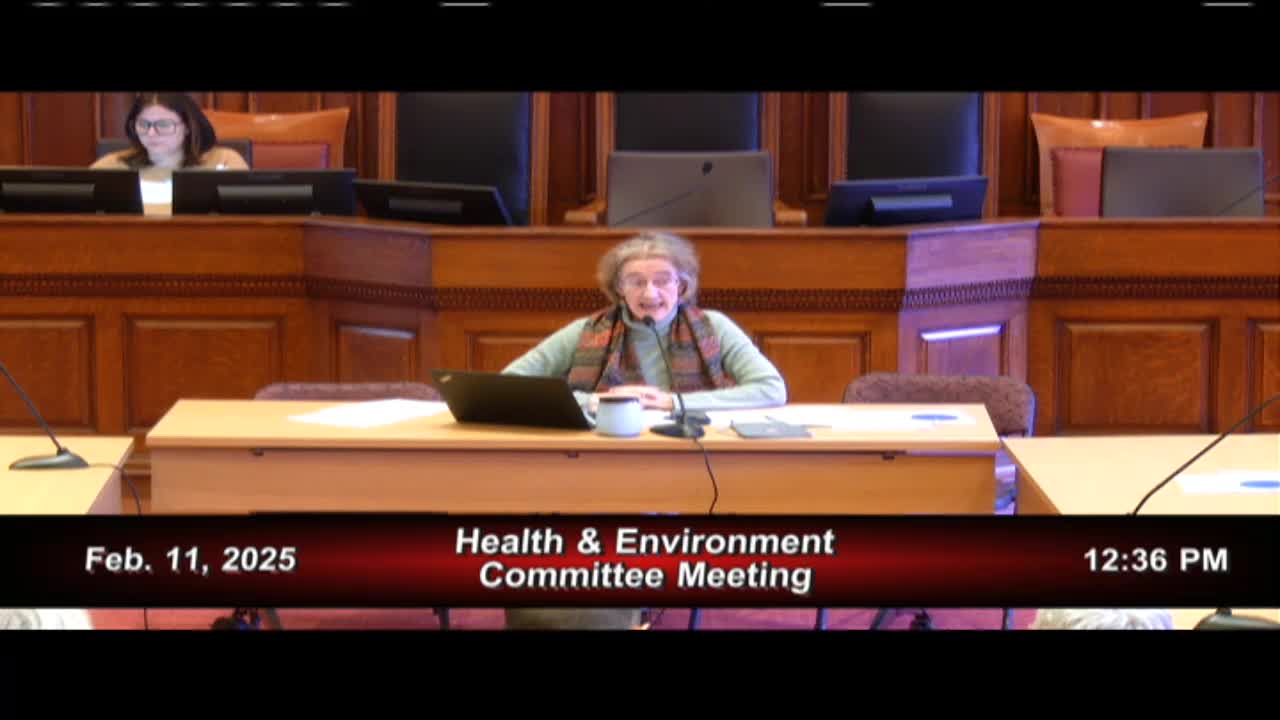
Cambridge City Council heard a staff presentation Wednesday on the city’s Net Zero Action Plan for buildings and an accompanying fiscal year 2024 progress report, during which staff and council members said the city must take more aggressive steps and secure financing to meet its long-term emission-reduction goals.
Chairwoman Nolan opened the session by describing the annual report as “an opportunity to monitor progress and stay involved,” and said the council intends to formally respond to the Climate Committee’s yearly review letter going forward. The presentation and discussion focused on results from the plan’s first five-year review, updated equity and resilience indicators added to the FY2024 report, and next steps for implementation and financing.
The Net Zero Action Plan, originally adopted in 2015, targets elimination of greenhouse gas emissions from all buildings in Cambridge by 2050. Staff said buildings account for about 80% of the city’s greenhouse gas emissions and that the plan divides actions across four areas: energy efficiency in existing buildings, net-zero new construction, lower-carbon energy supply, and financing the transition.
Staff highlighted the results of the 2015–2020 review, noting that “any declines that have been achieved have largely been offset by recent economic growth in new construction,” and that the plan produced roughly a 1% reduction in emissions over its initial five-year period. The presentation said further reductions over the next 10 years need to total roughly 240,000 to 290,000 metric tons of CO2 to align Cambridge with the Paris Agreement’s 2°C benchmark.
Julie Wormser, the city’s chief climate officer, said the lack of consistent federal leadership increases the importance of local action. “For better or for worse, Cambridge has always led, way ahead of what DC has done,” Wormser said, adding that the city is moving from planning into implementation for most of the building stock and that the key challenge will be reducing emissions from the final portion of buildings that remain carbon-intensive.
Council members and staff discussed financing and capacity as central barriers. Staff said the next phase will emphasize cost-effective methods and financing mechanisms for the remaining emissions reductions — particularly the hardest-to-decarbonize 5% of building emissions — and noted the inclusion of equity and resilience indicators in the FY2024 report.
Council members also noted procedural improvements: Nolan said the council has not historically issued a formal written response to the Climate Committee’s annual letter but that the city manager has committed to meeting with the committee on the letter and that a formal response will be prepared to improve transparency and accountability.
Staff introduced several members of the climate team during the meeting: Suzanne (director of climate projects); Nikhil (climate mitigation team lead); Tom O’Neil (staff who tracks climate decarbonization efforts); Irina Keefe (building decarbonization manager, noted as on her second day on the job); and Jen (online, who leads BITO programs). The Climate Committee chair (Mallory, name as stated in the transcript) was scheduled to present the committee’s letter later in the agenda, followed by public comment and council discussion.
No formal motions or votes on ordinances, budgets, or programs were recorded during the presentation portion of the meeting. Staff said the city will proceed with the next five-year review cycle and will prioritize both implementation and financial strategies to meet the Net Zero Action Plan goals.
The presentation and council discussion make clear that Cambridge plans to maintain local momentum on building decarbonization and to increase transparency by formally responding to advisory committee letters; staff and council emphasized that substantial additional measures and financing will be required to meet the plan’s targets.