Get Full Government Meeting Transcripts, Videos, & Alerts Forever!
Get email alerts on the Board Governance topic
No spam. Unsubscribe anytime.
Studer Education leads board training on relationships, curiosity and "leader stance" at Rapid City Area Schools meeting
Summary
Studer Education coach Casey Blachowiak led a leadership-development session with the Rapid City Area Schools Board on Jan. 7, emphasizing relationship-building, aligning culture with strategy, and a recommended 'leader stance' for board interactions with staff and the public.
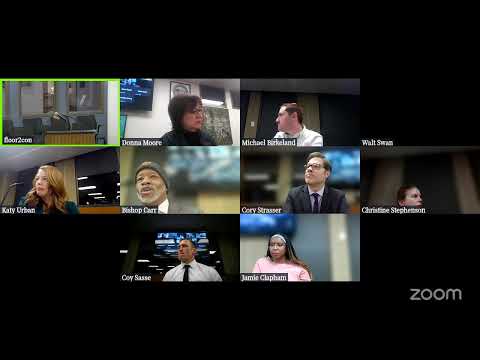
Casey Blachowiak, a coach from Studer Education, led a multi-hour board development session at the Rapid City Area School District 51-4 board meeting on Jan. 7, focusing on how trustees can align board behavior with district strategy and improve relationships across the system.
Blachowiak opened the session by describing Studer Education's role in helping the district implement its strategic plan and culture work. She later summarized a set of techniques intended to help board members balance the district’s strategic goals with emotion and community expectations, including the “rider and elephant” metaphor for logical versus emotional forces in organizational change and a recommended “leader stance” when responding to constituents.
Why it matters: Board conduct and the board–staff relationship shape how information, priorities and concerns move through the district. Blachowiak and the board framed the training as part of a longer partnership intended to help the district shift toward a “culture of progress” — characterized in the session by intentional communication, clear goals and systems for learning from data.
Key points from the session included guidance for board members when speaking with staff or parents: listen with curiosity; acknowledge and thank people for raising concerns; avoid promising specific operational fixes on the spot; and “manage up” by routing constituents to the appropriate district contact while expressing confidence in district leaders. Blachowiak described this approach as a way to preserve the board’s governance role while supporting executive staff.
Board members debated trade-offs between relationship-building and driving district outcomes. Several trustees said their collective strength included broad community connections and an active presence in schools; others noted the public sometimes conflates a trustee’s individual remarks with an official board action. Michael Birklin (board member) and Jamie Carr (board member) both said the board’s willingness to “show up” in the community is a distinct asset; Christine Stephenson emphasized respect among trustees and staff as a strength that supports difficult decision-making.
Blachowiak recommended practical question stems for the board’s midyear review slated for February: when results are improving, what is working and how will it be spread; when results are not improving, what has been learned and what adjustments are planned.
The presentation included facilitated scenarios for trustees to practice the leader stance in typical interactions — for example, meeting a teacher who asks for technology upgrades, or a parent who reports a negative staff interaction — and discussed how to escalate or route concerns through district channels without unintentionally creating operational commitments from individual trustees.
The board thanked Blachowiak for the session and discussed returning the consultant for future development; acting superintendent Dr. Strasser and district staff participated in portions of the workshop.