Ross residents, council discuss alternatives after Ross fire station closure decision
Loading...
Summary
Public comment and several council members focused on the town's planned closure of the Ross fire station, urging options to keep an engine in town.
Public comment and several council members focused on the townfire station closure during the Feb. 13 Ross Town Council meeting, pressing the council for options to keep an engine in town or to otherwise mitigate the effects of the planned facility shutdown.
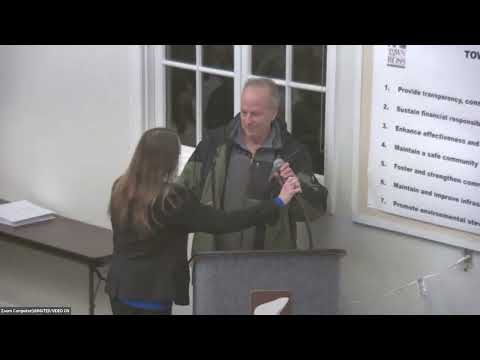
Bruce Selfridge, a longtime Ross resident and former volunteer fire captain, told the council he was "very upset that the town has decided to close a fire station," saying the town relies on the engine for flood response, medical aids and other services. "The fire department is normally the first on scene," he said, noting pumps, EpiPens and defibrillators kept on-site. "Please think about your decision."
Several other public commentators echoed that concern. Donna Arons, a former volunteer firefighter, said keeping an engine in town was critical for response times and warned that delays of 10 minutes or more "is unacceptable" in some life-threatening medical emergencies. Neighboring residents and a nearby property owner also told council members they supported renovation plans on local properties but pressed the applicants and staff to ensure construction and drainage plans would not worsen local emergency access during the station transition.
Council members discussed a range of potential responses. Council Member Salter proposed that staff open formal discussions with neighboring fire providers to understand options for service, including exploring whether the town could contract with or join the Kentfield Fire Protection District or the Central Marin Fire Authority. Council Member Robins asked staff to develop a ballpark estimate for the cost of reopening or rebuilding an independent Ross station and for the cost to the town of funding an engine and crew while remaining part of the Ross Valley Fire Department. Several council members also asked for a clear timeline and background on why the closure decision originally was made.
Town Manager Johnson said the councilcould request factual updates without expending the staff resources needed to produce cost estimates unless a majority of the council (three members) explicitly directed staff to prepare those studies. She and the mayor said Chief Jason Weber of Ross Valley Fire Department had agreed to appear at the next meeting to explain operational impacts and dispatch arrangements. The council agreed to place an item on the March agenda labeled as an update on the station closing with potential alternatives; that agenda item will include background material and the options members mentioned so the council can decide whether to ask staff for more detailed cost and feasibility work.
Why it matters: Ross residents and multiple council members said local terrain, seasonal floods and short distances across creeks make an in-town engine especially valuable for certain emergencies. Council members emphasized they want to hear clear, up-to-date information on response times, paramedic deployment and the legal and fiscal implications of alternatives before directing substantial staff resources.
What happens next: The council will hear a presentation by Chief Jason Weber and staff at the next meeting and will have a focused discussion of alternatives, including contracting with other districts, funding a locally staffed engine while remaining in the JPA, or pursuing annexation/annexation-like arrangements. If three council members request it, staff will return with cost estimates and implementation timelines for one or more of the options.