Get Full Government Meeting Transcripts, Videos, & Alerts Forever!
Get email alerts on the Property Tax Deferral topic
No spam. Unsubscribe anytime.
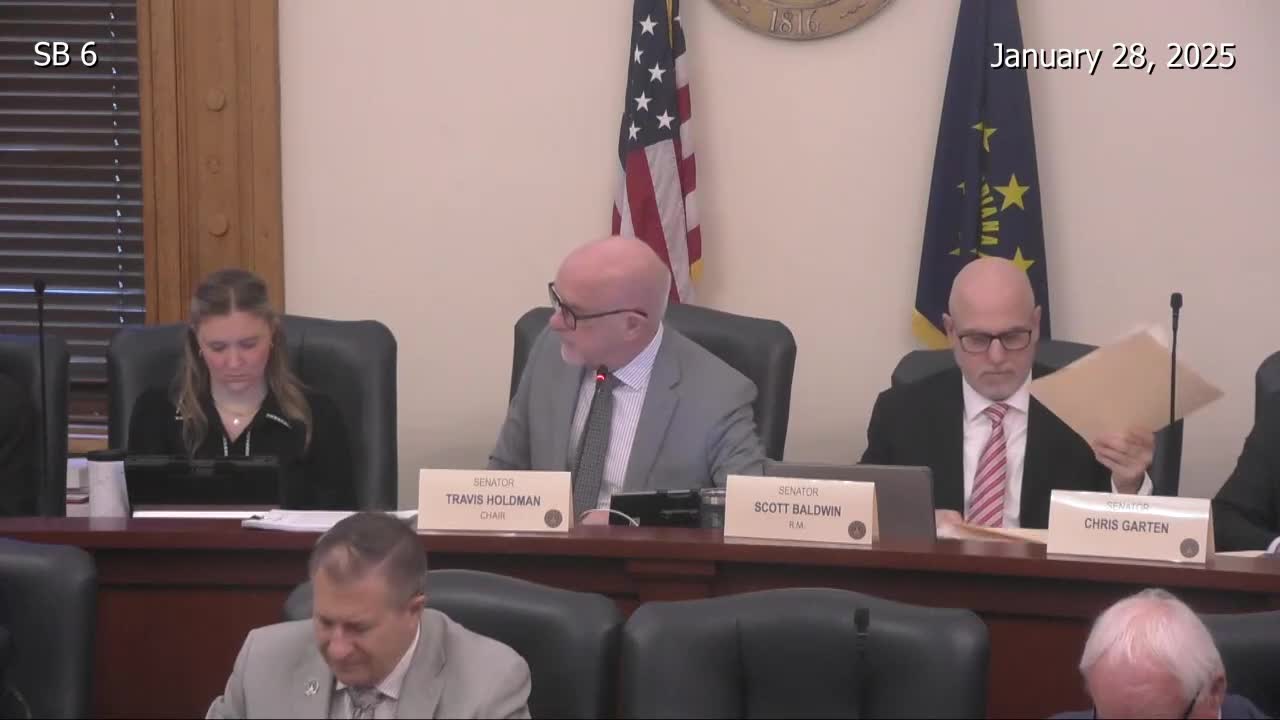
Senate committee hears bill allowing counties to offer optional property tax deferral for homeowners
Summary
Senator Rogers, sponsor of Senate Bill 6, told the committee the measure would create an optional county-run property tax deferral program for homesteads intended to help homeowners who temporarily cannot pay property taxes or long-time owners who are asset-rich but cash-poor.
Senator Rogers, sponsor of Senate Bill 6, told the committee the measure would create an optional county-run property tax deferral program for homesteads intended to help homeowners who temporarily cannot pay property taxes or long-time owners who are asset-rich but cash-poor. "Senate bill 6 provides a framework for an optional property tax deferral program for homesteads," Rogers said, describing county discretion over eligibility and the state-prepared application form.
The bill would let counties set participation criteria such as income limits, assessed-value caps or age thresholds; set collection procedures with the county treasurer; and — if the county chooses — charge interest not to exceed 4 percent. "The program...is designed to help owners stay in their home when they're having difficulty paying property taxes," Rogers told the committee.
Supporters said the program could protect seniors and other vulnerable homeowners from having to sell or turn to high-cost alternatives. Amber Marr of AARP Indiana said targeted deferral options can help older residents remain housed while balancing local revenue needs. "Targeted property tax relief such as the deferral option proposed in Senate Bill 6 can help older residents to stay in their homes as they age," Marr testified.
Gina Lachren, state director for Habitat for Humanity of Indiana, urged the committee not to expand the bill’s caps, saying the $10,000 cap and 4 percent interest limit are important consumer protections. Several local-government representatives and tax officials raised technical implementation questions: who files applications, how levy distributions are calculated years later, and whether deferred amounts designated for long‑term debt or TIFs could create downstream complications.
Committee members and witnesses agreed on two practical points: counties will need clear administrative forms and software changes; and counties that adopt the program will have to weigh potential short-term cash-flow effects against the program’s homeowner protections. No vote was taken; the committee held the bill for further work.