Get Full Government Meeting Transcripts, Videos, & Alerts Forever!
Get email alerts on the Attendance topic
No spam. Unsubscribe anytime.
District reports modest progress on attendance campaign; staff urging targeted plans for students at academic risk
Summary
Lake Oswego School District officials presented attendance data showing limited change after new outreach strategies. Staff said individualized re‑engagement plans and counselor involvement remain the primary interventions, with a plan to reassess results at the end of the school year.
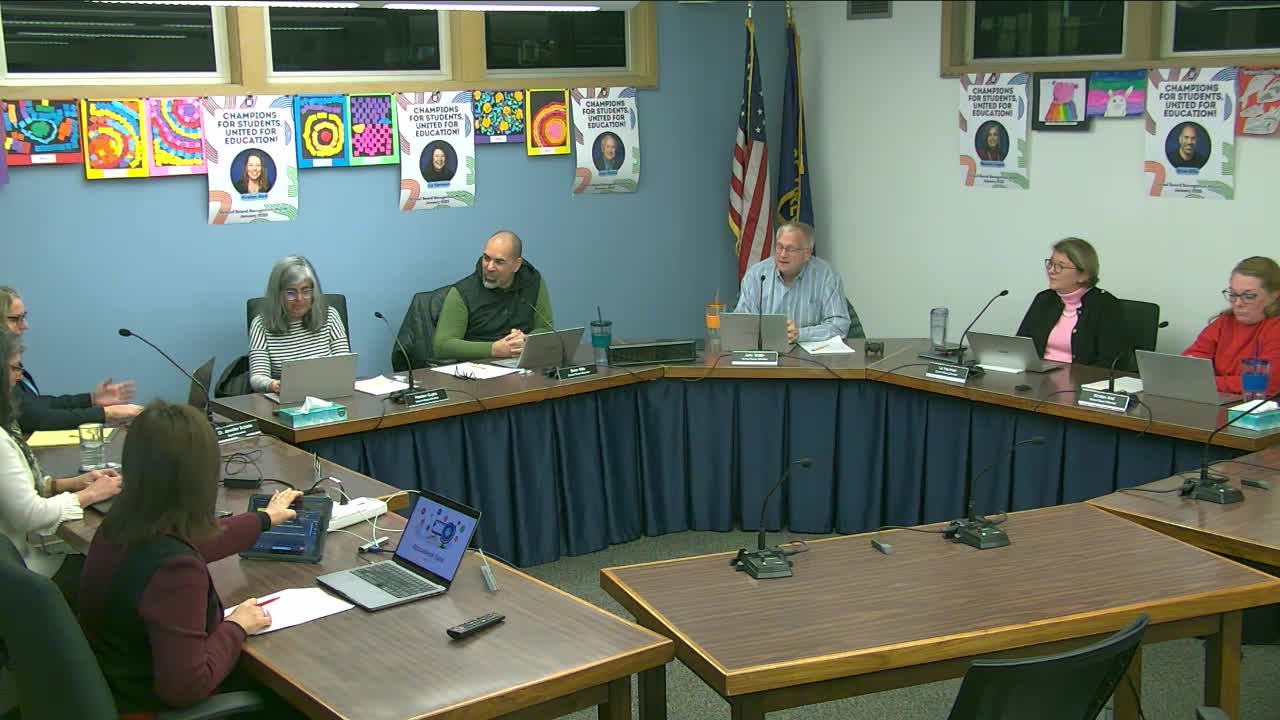
District staff presented attendance data at the Jan. 27 Lake Oswego School District 7J board meeting and described several new strategies intended to reduce chronic absenteeism, but officials said the measures have not yet produced a large change in overall attendance.
Dr. [name redacted in transcript], presenting the data, said the district has begun monthly letters to families, an attendance campaign, personal contact by school staff, and plain‑language plans for families. She told the board: “I'm not seeing great success with it. It's not bad. It's just it hasn't made a huge difference yet.” The district said it will continue the strategies through the end of the school year and return updated data in June.
Board members and staff discussed prioritizing limited resources. One director suggested focusing interventions on students whose absences coincide with falling academic performance. Staff confirmed that counselors and reengagement specialists are assigned to develop individual plans for students whose attendance jeopardizes academic outcomes. As staff put it: “We wouldn't be writing a plan if they went on 4 college visits and missed 10 days, and it's actually they're straight a students.”
Presenters also said some families have responded positively to the new outreach while others have asked staff to stop the letters. The district noted there is also a funding component to attendance tracking, and that the board tracks attendance for multiple reasons beyond funding, including student success.
The board directed staff to continue current strategies and to return attendance results in June. No new policy or budget allocation was approved at the meeting.
The discussion emphasized that attendance interventions should be targeted to students at academic risk rather than applied uniformly: staff described a process that prioritizes outreach and individualized plans for students whose absences are associated with declining grades.