Georgia committee hears bill to limit out‑of‑state court‑ordered reunification camps
Loading...
Summary
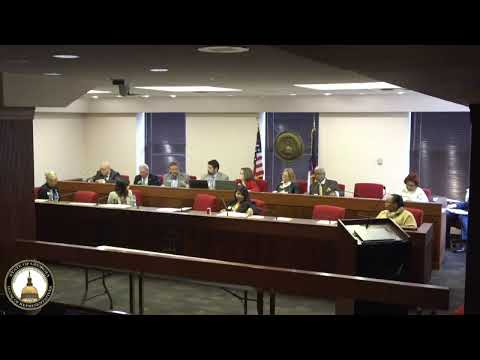
Lawmakers heard testimony on HB 253, “Ethan’s Law,” a proposal to prohibit superior courts from ordering children to attend out‑of‑state reunification programs and to give greater weight to a minor’s wishes in custody reunification orders. The committee did not vote and plans to consider a committee substitute at a later meeting.
Rep. Will Clark introduced House Bill 253, called "Ethan's Law," on behalf of children who, he said, were ordered by superior courts to attend out‑of‑state reunification programs against their wishes.
"This law would have been in place since 2022 to know that my brother and I would have been protected," said Owen Atsma, who addressed the committee by video and described being sent by court order to a Family Bridges reunification program on July 7, 2022. "They cut off all communication with support, system, and save family... my brother is still in Family Bridges and has been for the past 2 and a half years from what the 90 days they told us." (Video testimony, Owen Atsma.)
The bill's sponsor, Rep. Clark, told the committee HB 253 is intended to stop superior court judges from ordering children to be sent out of state for reunification programs and to resolve an alleged conflict with existing Georgia law that allows minors 14 and older to select the parent or guardian of their choosing in custody matters. "Currently under state laws, superior court judges are authorized to order children to attend reunification camps outside of the state," Clark said. He said that practice "tramples parental rights" and that Georgia has counselors and therapists who could serve locally.
Committee members pressed the sponsor on specifics of the bill's language. Rep. Oliver asked about a provision (line 133) that would require the court to appoint a counselor licensed in Georgia "to determine whether it's in the best interest of the child," and whether the bill included a fiscal note for that mandatory appointment. Rep. Oliver said mandatory appointments could duplicate the judge's existing "best interest" determination and asked who would pay for such appointments.
Rep. Clark said he was open to drafting changes and acknowledged concerns about usurping judicial discretion, indicating a committee substitute would be prepared. He told the committee he had circulated the draft to members of the Family Law Section and had discussed the bill with several judges.
Other members suggested alternatives and clarifications during the hearing. One lawmaker asked whether CASA (court appointed special advocates) could be used in lieu of a statutorily mandated counselor; a committee member and staff clarified CASA is typically appointed in juvenile court dependency actions and not routinely available in superior court cases, where guardian ad litems (often attorneys) are the usual mechanism.
The committee did not take a vote on HB 253 at this meeting. The sponsor said the committee would consider a committee substitute the next day and expected to continue working with judges and stakeholders to refine the language.
The committee recorded that it would reconvene the following day to hear juvenile court judges and to consider committee substitutes and technical language changes for items on the juvenile agenda.