Get Full Government Meeting Transcripts, Videos, & Alerts Forever!
Get email alerts on the Small Business topic
No spam. Unsubscribe anytime.
Council launches citywide small‑business rebound initiative, pledges budget review and $1M investment goal
Summary
The Long Beach City Council referred a multi‑part small‑business rebound plan (recruitment, retention, reinforcement) to committee and signaled intent to pursue funding, including a goal to invest $1 million to support grants, legacy business preservation, and safety measures.
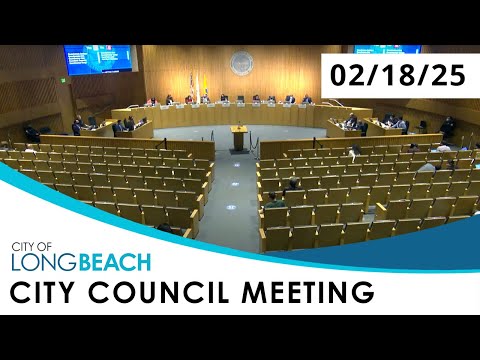
The Long Beach City Council on Feb. 18 referred a new citywide Small Business Rebound Initiative to the Economic Development and Opportunity Committee and directed staff to engage with local stakeholders as the city considers budget allocations for the program in FY 2025–26.
Mayor Rex Richardson and Councilwoman Mary Saro described the initiative as a three‑part plan: recruitment of new businesses (including incentives such as a first‑year fee waiver for some storefronts), retention of existing and legacy businesses through counseling and targeted supports, and reinforcement via programs such as grants for security and infrastructure improvements. Council members emphasized that small businesses represent about 52% of local jobs and urged a comprehensive approach that combines grants, access to capital and crime‑prevention resources.
Economic development staff and representatives from the Long Beach Area Chamber of Commerce and the Long Beach Restaurant Association spoke in support. Chamber Government Affairs Manager Celeste Wilson highlighted proposals in the initiative including a Grow Long Beach Fund, expanding the legacy business program and continuing the VIP grant program for businesses affected by property crime.
Council members also raised operational priorities for any program design: predictable timelines and simplified permitting for entrepreneurs; better coordination on public safety, including a possible retail theft task force; and targeted outreach to legacy businesses to prevent sudden closures. Several council members suggested piloting on vacancy‑to‑vibrancy corridors to attract new businesses to vacant storefronts.
The motion passed with council approval. Staff will return with committee feedback and budget proposals during the FY 2025–26 budget process for council consideration.