Get Full Government Meeting Transcripts, Videos, & Alerts Forever!
Get email alerts on the Debris Removal topic
No spam. Unsubscribe anytime.
County, EPA and state officials describe multi‑phase debris removal and environmental safety plans
Summary
Supervisor Lindsey Horvath, EPA and Cal OES outlined a two‑phase debris removal plan: an automatic, federally funded household hazardous waste cleanup (phase 1) followed by a required debris‑removal phase in which residents may opt into government removal or hire contractors subject to public‑health rules.
Los Angeles County and federal environmental officials described a phased debris‑removal program and urged residents not to attempt unsafe cleanup while ash and hazardous debris remain.
Supervisor Lindsey Horvath said the U.S. Environmental Protection Agency is leading a phase‑1 household hazardous waste cleanup that is already under way and "is automatically happening at no cost to you," adding that the county is coordinating with state and federal partners. "The EPA has invested a hundred million dollars and more than 500 personnel on the ground to do this phase 1," she said.
Horvath said the second phase gives property owners options on how debris removal is performed but stressed that the clearing must meet public‑health and environmental rules. "You don't have an option of whether to do it. You just have the option of how to do it," she said, describing that residents can opt into a government‑led removal (county working with the Army Corps of Engineers) or hire a private contractor but still must comply with public‑health requirements.
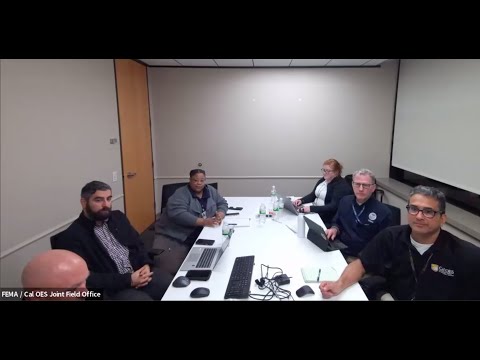
EPA and Cal OES officials at the meeting reiterated the dual priorities of speed and safety. A federal representative said the agencies are assessing air, water and soil and that phase‑1 and phase‑2 operations will balance rapid work with protections to avoid making conditions worse.
How it matters: The cleanup process determines how quickly residents can safely return, how insurance and government funds interact with debris removal, and whether residents must follow specific procedures to document damage for aid programs.
Insurance and duplication of benefits: FEMA and state staff said federal and state dollars cannot duplicate insurance payments, so debris removal programs will try to maximize insurance dollars first and then apply public funds to remaining costs. Officials said FAQs and more detailed guidance on how insurance and government removal interact will be released in coming days.
Local logistics and outreach: Horvath announced a town hall on debris removal for residents from 3 to 5 p.m. Sunday and provided a county hotline for debris questions (844‑347‑3332). She also said county teams are working property‑by‑property to assess mudflow and landslide risk ahead of forecast rain and are establishing points of distribution for sand and sandbags.
Ending: Officials urged residents to attend the debris removal town hall for detailed, step‑by‑step information and to use county hotlines and the disaster recovery center for individualized assistance.