Get Full Government Meeting Transcripts, Videos, & Alerts Forever!
Get email alerts on the Transportation topic
No spam. Unsubscribe anytime.
Duluth council tables creation of Transportation Commission after months of advocacy and public testimony
Summary
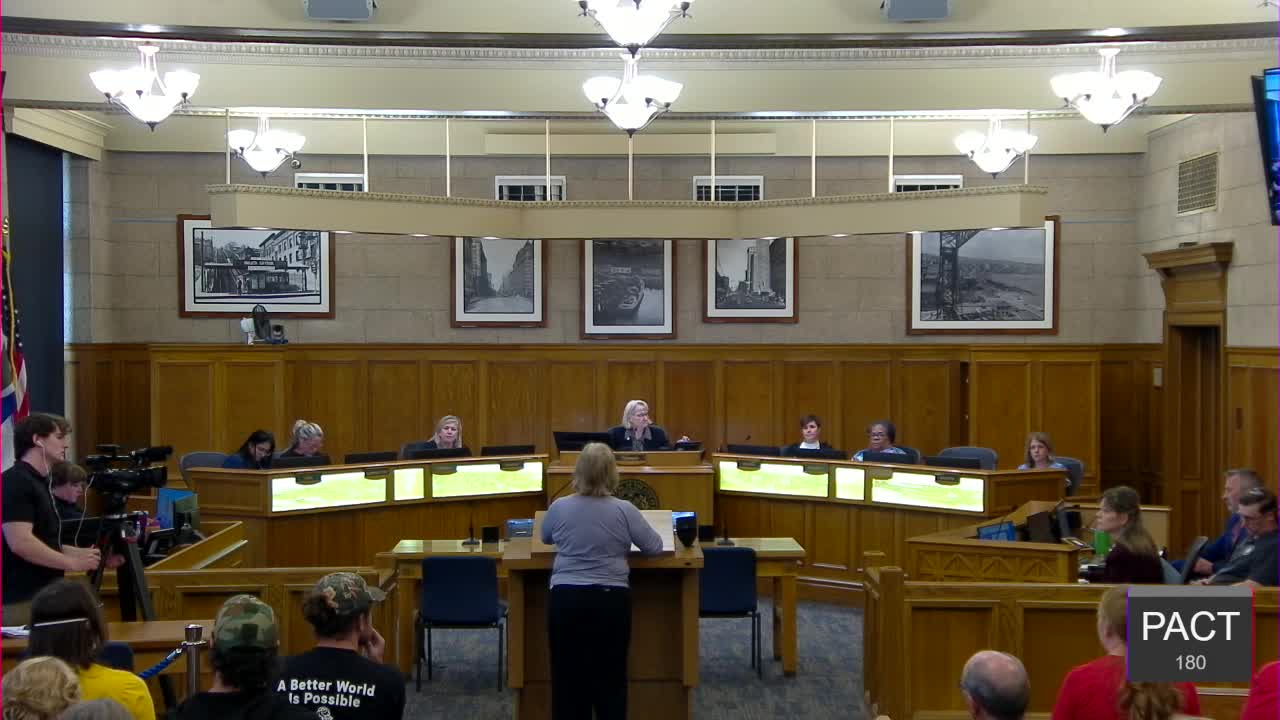
After hours of testimony from residents who blamed recent traffic deaths and dangerous intersections on insufficient planning, the Duluth City Council voted 5-2 to table an ordinance to create a Duluth Transportation Commission so staff and stakeholders can reconcile edits and staffing questions.
The Duluth City Council on Monday voted to table an ordinance that would have created a formal Duluth Transportation Commission after wide public testimony and a split among council members about staffing and timing.
Residents, neighborhood groups and transportation advocates urged the council to adopt the commission immediately to improve pedestrian, bicycle and street safety. Brandon Parker, a local bike and pedestrian advocate, told the council a commission “could help make Duluth a more walkable, bikeable city” and provide proactive recommendations rather than reacting after crashes.
The ordinance was before the council on its second reading as Ordinance 14, “adding section 8, establishing the Duluth Transportation Commission.” Supporters described years of work behind the proposal and cited several recent traffic deaths. Former Councilor Mike Mayo, who helped shepherd the idea, gave a multi-year timeline of internal and community work to develop the proposal. Alice Tibbets of Vibrant Streets Duluth said the commission should be treated with urgency because city review and project planning have not prevented repeated safety failures.
The administration and some council members said the draft needs small but important edits and that planning staff is already stretched. Administrator Matt Staling told councilors that the city’s planning department currently staffs nine boards and that the transportation commission would be the tenth, adding to staff workload and potential overtime. The mayor, in a letter read into the record by Staling, said he supports a transportation commission but urged the council to align the new commission with a larger review and consolidation of boards and commissions so each body has “a clear and vital mission.”
Council debate split on timing vs. polish. Councilor Auel emphasized the urgency created by traffic fatalities; Councilor Randolph argued the ordinance has already been before the council and favored passage; Councilor Dirwachter and Councilor Randolph ultimately opposed tabling, citing the ordinance’s readiness. Councilor Auel moved to table so staff and advocates could reconcile competing edits; Councilor Kennedy seconded the motion.
In a roll-call vote the motion to table carried 5–2. The recorded votes (as read aloud) were: Councilor Howell — yes; Councilor Dirwachter — no; Councilor Randolph — no; Councilor Kennedy — yes; Councilor Swenson — yes; Vice President Nephew — yes; President Tomanek — yes. The council’s order to table means the ordinance will be returned for consideration after staff and stakeholders finalize edits and agree on staffing support and language.
Administration representatives said they would work with Councilor Auel, transportation advocates and city attorneys to merge several edits and return a revised draft as soon as possible. Administrator Staling said a working draft was unlikely to be ready by the next Thursday meeting but pledged a sense of urgency. Councilor Auel said she expects the council and administration to work quickly and asked advocates to hold the council accountable for a rapid turnaround.
The public testimony that preceded the vote included multiple personal appeals citing recent deaths and near-fatal crashes: Naomi Gordon urged guardrails on Skyline Parkway after her son was killed; Lisa Laney described a fatality at a busy crosswalk; and multiple neighborhood groups urged an independent forum to advise on projects such as Sixth Avenue East reconstruction and the Cross City Trail.
What’s next: City staff will attempt to consolidate and vet competing edits submitted by administration and community advocates. The council’s tabling vote does not end the proposal; it pauses final action while attorneys and staff produce a single revised ordinance for reconsideration.