Get Full Government Meeting Transcripts, Videos, & Alerts Forever!
Get email alerts on the Transportation topic
No spam. Unsubscribe anytime.
Resident asks Gastonia council for transparency after she says micro‑transit drivers were charged weekly vehicle fees
Summary
A resident told the council she filed a complaint with the state and alleged the city’s Go Gastonia micro‑transit program requires contracted drivers to pay $200 per week to use city-owned vehicles; she also raised concerns about a third-party manager’s licensing and data handling for applicant documents.
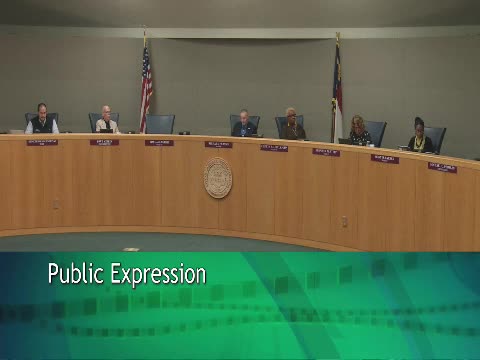
At the public-comment portion of the Gastonia City Council meeting, resident Tracy Champagne said she filed a complaint with the North Carolina Attorney General and asked the council for transparency about the Go Gastonia micro‑transit program.
Champagne said she had sought part‑time work with the program and was told that drivers who operate the city‑owned vehicles as contractors are required to pay $200 a week. “If you have at least 100 individuals signed up and employed doing this service, that means that’s at least $20,000 per week,” she said, and asked who benefits and where that money goes.
She also said the program’s contractor, RiverNorth Transportation (a subsidiary of Via, she said), is not licensed to do business in North Carolina and expressed concern about applicants being asked to submit copies of driver licenses, debit cards and insurance documents. “We have no way of knowing where that information is going, who’s using it, what’s happening with it,” she said, and requested transparency in the hiring process.
Council members did not make a formal action on the complaint during the meeting; staff members present said they would direct the resident to the appropriate staff and reiterated that the city does not keep fees for contractor-operated vehicles. Councilwoman Danielle Barber and others clarified that Go Gastonia uses contracted operators and third‑party software.
Why this matters: The allegation raised questions about contractor terms for a city-operated mobility service. Residents asked for clearer disclosure about how the program is managed and whether fees are appropriate or disclosed in contractor agreements.
What’s next: Staff and the city attorney were asked to follow up and provide clarity on program management, fee structures and data-handling practices for contractor applicants. The resident had already reported the matter to the state Attorney General’s office, per her comments.