Get Full Government Meeting Transcripts, Videos, & Alerts Forever!
Get email alerts on the Healthcare Finance topic
No spam. Unsubscribe anytime.
Central Peninsula Hospital reports higher revenue, expanded services and increased uncompensated-care spending
Summary
Hospital CEO reported year-to-date gains in gross and net patient revenue, rising uncompensated care and plans to expand behavioral-health and clinic services; the hospital introduced administrative changes and encouraged residents to use a community benefits program.
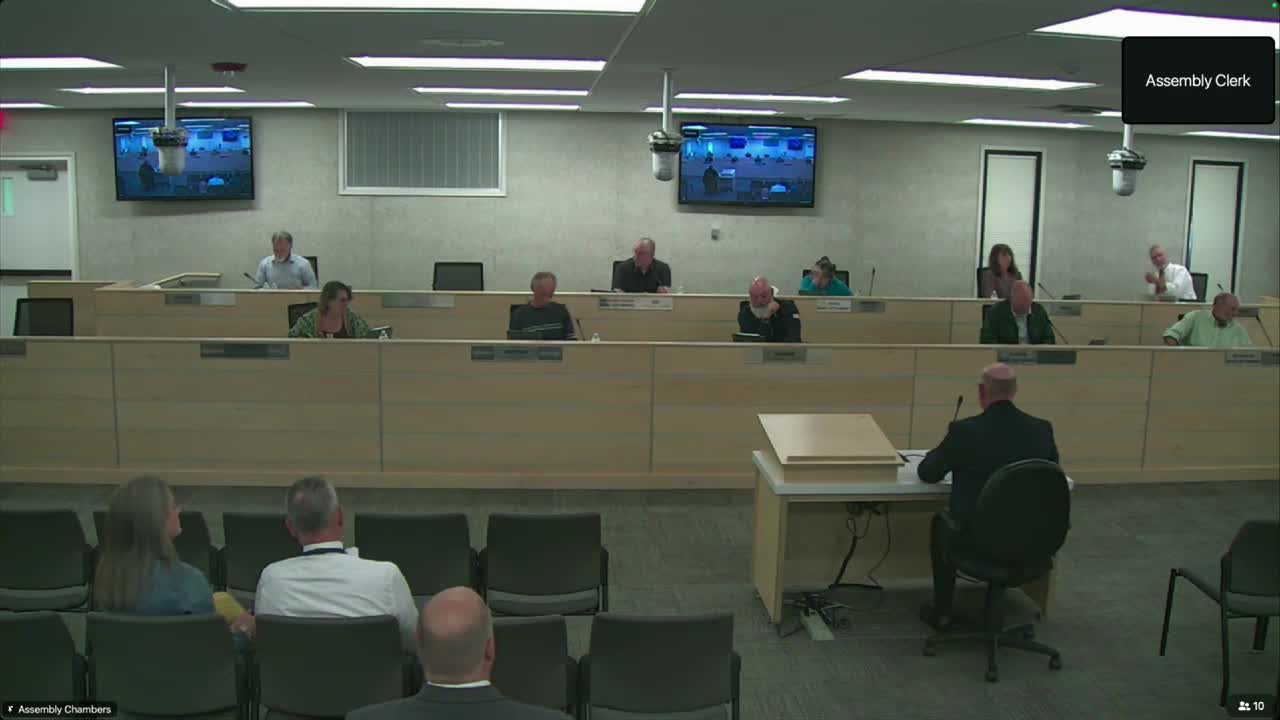
Central Peninsula Hospital reported stronger year-to-date revenue and several service expansions at the Kenai Peninsula Borough Assembly meeting on June 8, saying the hospital has increased access to behavioral-health and chronic-care services while uncompensated-care figures rose.
Sean Keith, chief executive officer of Central Peninsula Hospital, told the Assembly gross patient revenue for the nine-month period reached about $544 million, up from about $475 million the prior year, and net patient revenue was roughly $200 million compared with $184 million the prior year. Operating income for the period was reported at about $18.7 million, and the hospital’s net result after depreciation and non-operating items was about $9 million.
Keith said the hospital has put resources into new clinics and programs, including a mental-wellness clinic and a diabetes clinic, and has increased health-care access through recruitment of primary-care and specialty clinicians. He described the hospital’s community-benefit outreach and assistance program as a key part of that work.
“This is a community benefit. This is something that everyone should take advantage of if they have the opportunity,” Keith said, urging residents to use the hospital’s online community-benefits application and outreach resources.
Uncompensated care, bad debt and financial reserves
The hospital reported combined uncompensated care and bad debt of about $18.1 million year-to-date, up from $14.7 million in the prior year; bad debt alone was reported at about $9.2 million. Keith said the hospital expects combined uncompensated-care figures to finish the fiscal year at about $24 million compared with $20 million the prior year but described the current percentage of gross patient revenue (about 3.1%–3.3%) as within recent ranges.
Cash and plant funds were reported as strong: cash and cash equivalents were approximately $62.6 million versus $55.4 million at the prior fiscal year end, and the plant-replacement and expansion fund was reported at about $78 million.
Operational items and staffing
Keith introduced administrative changes: Angela Hannigan will become chief operating officer at Central Peninsula Hospital on Aug. 1; the hospital also introduced Carl Hertz as its new COO during the presentation. The hospital said it has expanded access to specialty services and recruited psychiatrists, a psychologist and additional primary-care clinicians to meet needs identified in the community-health needs assessment.
Assembly members asked about the effect of federal health-care legislation and state Medicaid delays on the hospital’s receivables and patient coverage. Keith said some federal provisions will affect the hospital over time and that Medicaid enrollment delays increase receivable uncertainty, noting staff make accrual estimates and encourage eligible patients to apply for the community-benefits program. He said case managers, social workers and financial counselors work with patients during discharge and billing to help identify eligibility for assistance.
The hospital also said it is partnering with the City of Soldotna to offer free field-house walking track access for residents age 65 and older during weekday mornings once the facility reopens.
Closing and next steps
Keith said the community-health needs assessment was open for public input and urged residents in the hospital’s service area to participate and help set priorities for the next three years. Assembly members thanked hospital leadership and raised questions about federal and state policy impacts on reimbursement; the hospital said it will continue monitoring and preparing for federal and state changes.
Ending: Hospital staff said they will send follow-up materials and are preparing more-detailed fiscal projections and outreach materials for patients and the assembly.