Get Full Government Meeting Transcripts, Videos, & Alerts Forever!
Get email alerts on the Bank Supervision Regulation topic
No spam. Unsubscribe anytime.
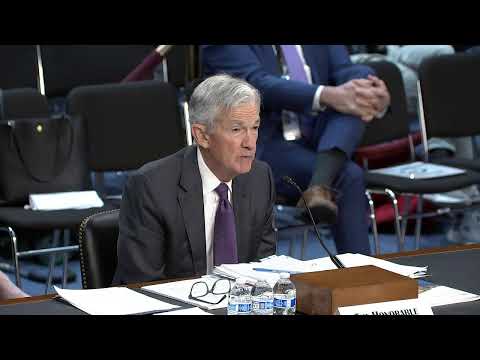
Senators Press Powell on Silicon Valley Bank Failures, Accountability and Basel III/Stress-Test Changes
Summary
Senators sought explanations for supervisory lapses tied to Silicon Valley Bank and asked how the Fed will balance tailoring for smaller banks with global Basel III endgame commitments and proposed stress-test changes.
Several senators pressed Federal Reserve Chair Jerome H. Powell on supervisory failures tied to the March collapse of Silicon Valley Bank and on pending regulatory changes to capital rules and stress tests.
Senators cited the SVB failure as an example of supervisory weak spots. "SVB marked the third largest bank failure in U.S. history," one senator said, and committee members pressed whether any regulators had been held to account. Powell said the failure reflected shortcomings in processes and focus rather than deliberate malfeasance by individual supervisors; he described the breakdown as a failure to emphasize core banking risks, including interest-rate and liquidity risk.
Powell said the Fed has taken "many, many" steps in response to the events surrounding SVB and described supervisory follow-up that included focusing more directly on credit, liquidity and interest-rate risks. He acknowledged that in some cases supervisors did not follow through aggressively enough on issues they had identified.
Several senators asked about the Basel III "endgame" capital reforms. Powell said the Fed remains committed to completing the Basel III endgame with the other banking agencies but is awaiting leadership appointments at the Office of the Comptroller of the Currency and the Federal Deposit Insurance Corporation. He said the Fed will work with the other agencies to craft a proposal consistent with Basel and competitive with other large jurisdictions, and indicated an expectation that the outcome should not materially disadvantage U.S. banks.
On stress tests, senators raised concerns the Fed’s planned changes could reduce the tests’ effectiveness. Powell said proposed transparency steps include publishing models for public comment and smoothing the stress capital buffer to reduce volatility in required capital when stress results fluctuate.
Why it matters: SVB’s failure prompted scrutiny of supervisory practices; subsequent regulatory proposals (Basel III endgame and stress-test changes) will affect bank capital requirements, the competitiveness of U.S. banks and community/regional banks’ costs of compliance.
What was decided: Powell committed to work with the committee and with incoming agency leadership to finalize Basel III endgame discussions and to seek a balanced outcome. He also confirmed the Fed’s intention to publish models and solicit comment on stress-test design to increase transparency while smoothing capital outcomes. No formal regulatory actions were adopted during the hearing.
Ending note: Senators on both sides warned that regulatory changes should avoid unnecessarily raising fixed compliance costs for community and regional banks; Powell said he shares the objective of preserving a diverse banking system and will take those concerns into account during rulemaking.