Get Full Government Meeting Transcripts, Videos, & Alerts Forever!
Get email alerts on the Cfpb Fed Payments topic
No spam. Unsubscribe anytime.
Senators and Fed Chair Clash Over CFPB, Fed’s Role in Treasury Payment Systems and Reports of Outside Access
Summary
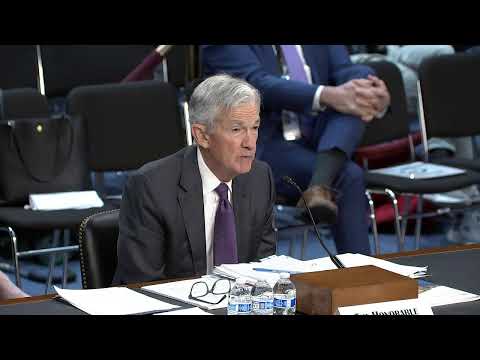
Chair Tim Scott, ranking member Elizabeth Warren and other senators pressed Federal Reserve Chair Jerome H. Powell on the recent disruption of the Consumer Financial Protection Bureau’s operations and on reports that outside actors sought access to Treasury payment systems.
Chair Tim Scott, ranking member Elizabeth Warren and other members of the Senate Banking Committee pressed Federal Reserve Chair Jerome H. Powell on efforts that have effectively halted the Consumer Financial Protection Bureau’s operations and on reported attempts by outside actors to access Treasury and Fed payment systems.
The committee’s opening exchanges framed the CFPB disruption as a central concern. "If the CFPB isn't on the job right now, then who is administering JPMorgan or Wells Fargo's consumer compliance exams to ensure that they are following the law?" Ranking Member Elizabeth Warren asked. Powell replied that Dodd-Frank moved most consumer-examination authority to the CFPB and that the Fed retains limited supervision over banks with less than $10 billion in assets.
Warren and multiple Democratic senators described the CFPB as the federal "cop on the beat" for consumer financial protection. Senator Raphael Warnock and others warned that reductions in CFPB activity would reduce enforcement of illegal practices, including unfair fees and improper account openings, and could leave large banks without a federal examiner focused on consumer issues.
Republican senators and the committee chair characterized the situation differently, arguing the Fed and other regulators still perform oversight duties and highlighting state banking authorities as alternate avenues for consumer complaints. Senator Mike Rounds and others said they expect the Fed and state agencies to fill any gaps.
A second thread of questioning focused on reports that Elon Musk and members of his team had sought access to Treasury systems or data. Senator Warnock asked directly whether Mr. Musk or his associates had attempted to access Fed-protected systems. Powell responded, "I don't believe so," and pledged to notify the committee immediately if the Fed became aware of any such attempt.
Powell described the operational chain for Treasury payments: agencies and Treasury make upstream determinations about whether to pay; Reserve Banks execute the payments and do not make upstream judgments. "We make the payment. We make no judgments whatsoever. Those are all made upstream from us," he said.
Separately, members raised concerns about reports that federal banking agencies and bank executives used reputational risk to encourage banks to cut off accounts for certain industries and customers. Powell said the Fed is taking a fresh look at guidance that referenced reputational risk and confirmed he had directed removal of language from a manual used for account access for master accounts.
Committee members on both sides urged cooperative solutions. Senator John Kennedy said he had asked Powell to invite bank CEOs to explain why accounts were being closed and to clarify whether banks were acting on reputational grounds. Powell agreed and said he would take a fresh look at the issue.
Why it matters: The CFPB is the primary federal agency that examines and enforces consumer protection laws for large banks; interruptions to its work could change which federal agency examines large-bank consumer compliance and could change enforcement activity against unlawful fees, improper account openings and other consumer harms. Separately, any unauthorized access to Treasury or Fed payment systems would raise operational and safety-of-funds concerns for federal benefit and vendor payments.
What was decided: Powell committed to (1) notify the committee if the Fed learns of any attempts to access Fed or Treasury payment systems by outside actors; (2) take a fresh look at supervisory guidance that references reputational risk and remove that concept from a manual used for account-access considerations; and (3) engage with the committee on invitations to bank CEOs to discuss account closures. Those commitments were described verbally during the hearing and are recorded here as committee directions, not formal votes.
Context and background: The committee’s discussion referenced Dodd-Frank’s transfer of broad consumer-examination authorities to the CFPB; senators noted the bureau’s recent track record of consumer restitutions and contrasted that with current reported pauses in CFPB activity. Senators also raised Operation Chokepoint II and related allegations that regulators had pressured banks to limit services to certain customers.
Ending note: Senators from both parties pressed for follow-up: Democrats asked Powell to alert them immediately of any cybersecurity or access attempts; Republicans pressed Powell to engage banks directly and to ensure community banks are not overburdened by federal rules. Powell said the Fed will be responsive to the committee and pledged additional work on the manual language and outreach to bank leadership.