Get Full Government Meeting Transcripts, Videos, & Alerts Forever!
Get email alerts on the Parks And Recreation topic
No spam. Unsubscribe anytime.
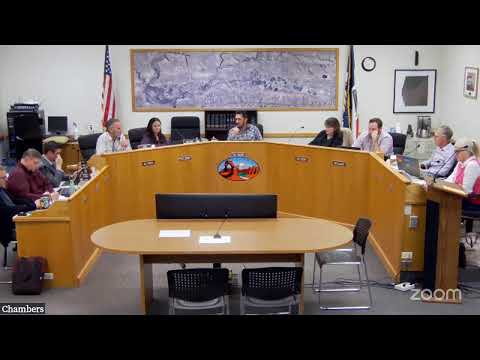
Grand County commission amends letter on Arches timed‑entry system after hours of public comment
Summary
After public testimony for and against the Arches National Park timed‑entry reservations, the Grand County Commission voted to reword a previously drafted letter to the park to withdraw the county’s support for a permanent timed‑entry system “as it currently stands,” while requesting further collaboration and study.
Grand County commissioners on Jan. 7 debated whether to withdraw the county’s prior endorsement of the Arches National Park timed‑entry vehicle reservation pilot, and voted to amend a draft letter to the National Park Service saying the county does not support the park making a reservation system permanent in its current form.
The discussion drew more than a dozen public commenters and a presentation by Arches superintendent Lina, who said the park’s planning process is ongoing and that “nothing has been finalized. There’s no signature on it.” The superintendent described three years of vehicle reservation pilots and said the park has adjusted the program after public feedback; she also said the park is trying a six‑week period next summer that would not require reservations during the hottest weeks when demand is low. “We have already made adjustments to the program after listening to public feedback and assessing visitor use data over the last three years,” she said.
Why it matters: The commission’s action signals local concern about how park visitation management affects Moab’s economy, traffic and visitor experience. Arches is a major driver of local lodging, retail and recreation businesses; commissioners and residents said they want to protect both the park and the county’s economic base while also addressing safety and quality‑of‑life impacts.
What commissioners and the public said
Supporters of the park’s timed‑entry approach told the board the system reduces crowding and improves visitor experiences. Cassidy Jones, senior visitation program manager at the National Parks Conservation Association, urged the county to continue supporting reservations and cited studies and park data showing the system’s benefits: “Reservations are popular. They create certainty for visitors. They protect resources, and most importantly, they really keep operations sustainable, which is just vital for a park like Arches.”
Park superintendent Lina told commissioners that the park’s draft visitor access and experience plan — published Oct. 24, 2024 — presented time‑of‑entry reservations as a preferred alternative but is not final. She said the park has already lengthened its advance ticket window from three months to six months and will test a no‑reservation period during the hottest summer weeks when demand drops.
Several business owners and guides told the commission they rely on predictable, well‑managed visitation. Guide veteran Pete Gross said public education on “responsible recreation” is important and warned against abandoning efforts to teach visitors how to protect fragile landscapes: “The idea of not educating people about responsible recreation, to me it’s akin to having food labels without food‑preparation instructions.”
Other residents raised concerns about the economic effects of reservation requirements and asked the county to press the park for more analysis. Commissioners also described mixed views among local businesses and said more collaboration between the county and park leadership is needed to address local impacts.
Action by the commission
- A motion by Commissioner Mary (moved) and Commissioner Trish (second) to withhold approval of the county’s previously drafted letter to the park failed on a 2–4 vote (in favor: Commissioner Mary; Commissioner Trish; opposed: four other commissioners). The motion was to reject the draft letter in its then‑current form.
- A subsequent motion to amend the county’s draft letter so that it explicitly states the county does not support making the timed‑entry reservation system permanent “as it currently stands” passed. The motion was made and seconded by commissioners present; one commissioner recused from the vote. (The commission directed staff to finalize language and to continue coordinated discussions with the park.)
What the park says it will do next
Superintendent Lina emphasized the park’s planning approach is adaptive: the park has been analyzing pilot years of the timed‑entry reservations, accepting public comment, and refining the program. She said the most recent socioeconomic analysis (contractor‑led, finalized in 2023) did not find a statistically significant negative change in local economic activity from the 2022 pilot when compared to 2016–2019; she also said monthly visitation patterns now differ by month, with lower demand in July‑August and higher demand in spring and fall months.
Lina told the commission the park welcomes continued engagement and that revisions to the draft plan are ongoing: “The adaptive nature of this program ... allows us to continue to monitor, adjust, and adapt. It also importantly does not preclude us from future planning.”
Context and next steps
The board asked staff to work with the superintendent’s office on a path for continued dialogue and requested clearer socioeconomic and visitor‑use data be shared with county leadership. Commissioners also asked staff to include the county attorney in agenda reviews going forward when items have potential legal or financial implication.
Several commissioners said they want a formal round of joint county‑park meetings to explore mitigation options — for example, signage and messaging, alternative access points, shuttle infrastructure and targeted marketing that encourages longer multi‑day stays in town. The park has already stated a willingness to continue adjustments and public engagement before any final decision.
Ending note
The commission’s vote does not change the park’s ongoing planning process or current pilot rules; it changes only the wording of the county’s letter of position and signals the commission’s request for more evidence and cooperation before any timed‑entry policy is made permanent.