Get Full Government Meeting Transcripts, Videos, & Alerts Forever!
Get email alerts on the Public Health Finance topic
No spam. Unsubscribe anytime.
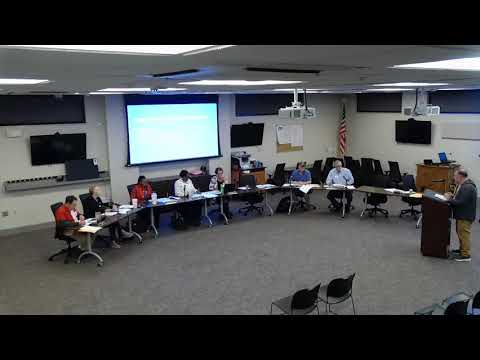
Scotland County Health Department reports under-budget spending, proposes small fee increases for private vaccines
Summary
Health department staff told the Scotland County Board of Health the department is under budget for the fiscal year to date but immunizations are over budget; staff proposed modest fee adjustments on private (third‑party) immunizations to offset costs.
Scotland County health department staff reported that departmental spending through the fifth month of the fiscal year remained below the pro rata target while immunization spending exceeded expectations, and they asked the Board of Health to approve modest fee increases for privately insured vaccine services.
The presenter said departmentwide expenditures were about 34.3% of budget at the five-month mark, below the 42% point the fiscal year would normally reach. Revenue collections stood at about 27.2% of budget, the presenter said, and immunization lines showed both higher spending and higher revenue because the department is purchasing more private vaccines and billing third‑party payers (including Medicare). Staff told the board that private‑pay and third‑party vaccination activity increases revenue that helps offset program costs.
Staff explained the county fiscal year runs July 1 to June 30, while some state grants operate June 1 to May 31, creating a roughly one‑month timing difference for state grant revenue recognition. The presenter said that seasonality — flu and recent updated COVID shots — and school vaccine sessions contributed to higher immunization activity in November.
Board members were shown a proposed schedule of updated fees for private immunizations. Staff described the fee-setting method as taking cost, adding about 5%, and rounding to the nearest dollar; the packet showed columns labeled 2023–2025 proposed fees. Staff asked the board to approve the changes but no formal board vote was recorded in the transcript.
Staff also noted routine revenue‑related activity increases outside immunizations, such as a rise in adult health revenue from school and work physicals.
The board discussed timing and asked clarifying questions about how flu, school sessions and third‑party insurance affect both expenditures and revenue. Staff emphasized the increase in vaccine purchases precedes increased revenue from billing insurance carriers.
Less-critical packet items discussed during the presentation included accounting timing between county and state fiscal calendars and that federal/state reimbursement lines are typically one month behind the department's internal reporting.
If approved, the proposed fee adjustments would affect privately insured patients who use the health department for vaccinations and would be intended to offset program delivery costs rather than expand services.