Get Full Government Meeting Transcripts, Videos, & Alerts Forever!
Get email alerts on the Yemen Conflict topic
No spam. Unsubscribe anytime.
UN envoy urges de-escalation, release of detainees and economic steps to stabilise Yemen
Summary
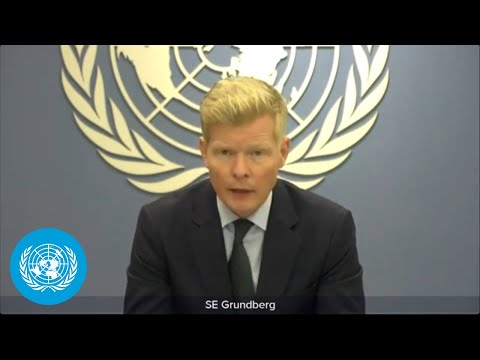
Hans Grundberg, the United Nations Special Envoy for Yemen, urged the council in a briefing to press for regional de‑escalation, the unconditional release of arbitrarily detained people and rapid economic measures to stabilise Yemen.
Hans Grundberg, the United Nations Special Envoy for Yemen, urged the council in a briefing to press for regional de‑escalation, the unconditional release of arbitrarily detained people and rapid economic measures to stabilise Yemen.
“The United Nations has been consistent and strong in its messaging. Civilians and civilian infrastructure must never be targeted, whether in Yemen, Israel, or Gaza,” Grundberg said, noting that recent strikes have damaged “critical civilian infrastructure, including the port of Hodeidah and Sana'a International Airport.” He warned that damage to the port and tugboats reduces the ability to unload humanitarian aid and that attacks threaten maritime security.
Grundberg told the council that the wider regional escalation — including strikes and counterstrikes involving Ansar Allah, Israel, the United States and the United Kingdom — has diverted attention and resources from Yemen and risks undermining progress made since the 2022 truce. He said ongoing talks about a ceasefire in Gaza and hostage releases offer a possible opening for broader regional de‑escalation, but added that the current cycle of strikes has hindered prospects for peace.
The envoy highlighted humanitarian and detention concerns. He repeated calls from World Health Organization Director‑General Tedros Adhanom Ghebreyesus and urged Ansar Allah to “immediately and unconditionally release all arbitrarily detained personnel from the United Nations, national and international organizations, diplomatic missions, and the private sector.” Grundberg specifically urged the release of the vessel Galaxy Leader and its 25‑member crew, whom he said have been detained for over a year.
Grundberg recounted visits and meetings across the region — Muscat, Sana'a, Tehran and Riyadh — saying his message to interlocutors has been the same: “We need immediate de escalation and genuine engagement for peace.” He said his office has held discussions with Yemeni political and military actors, civil society, banking and private‑sector representatives to identify economic measures that could help stabilise the country. Suggested measures include the unification of the central bank, resumption of fossil fuel exports and the full payment of public‑sector salaries.
He warned that further escalation would have “devastating humanitarian consequences” for nearly 40,000,000 Yemenis and could reverse fragile gains, triggering displacement and collapse of essential services. Grundberg cited recent violence along several front lines, saying that in one incident in Taiz governorate two children were killed and two others injured. He also expressed concern about reports of military operations by Ansar Allah in Hanke al‑Masood village.
On detainees and prisoner releases, Grundberg said his office is convening parties' prisoners committees and urging “all sides to persist in the efforts towards the release of conflict related detainees on an all for all basis.” He described prioritising detainee releases as essential both for immediate humanitarian relief and for building trust needed for a political process.
Grundberg said the political dialogues his office is facilitating prioritise meaningful participation by women and youth and that consultations are under way to amplify perspectives of marginalised groups. He closed by urging sustained international support for the United Nations' efforts and repeating that “time is not on our side.”
Grundberg concluded his remarks by reiterating his commitment to keep focus on pathways to a sustainable peace in Yemen.