Get Full Government Meeting Transcripts, Videos, & Alerts Forever!
Get email alerts on the State Custody And Health Policy topic
No spam. Unsubscribe anytime.
Utah House approves bill limiting some medical and housing decisions for people in state custody
Summary
The House passed first substitute HB 252 on a 60-14 vote after debate over housing placement, access to gender‑affirming medical procedures, and legal risk for correctional medical decisions.
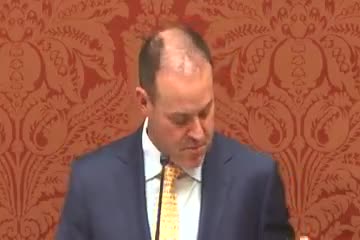
SALT LAKE CITY — The Utah House of Representatives on Monday approved first substitute HB 252, titled “state custody amendments,” directing how people in state and local custody should be housed and restricting certain medical interventions while in custody.
Supporters said the bill aims to protect safety and limit long-term medical procedures made while people are detained. Opponents warned the measure could create legal exposure for the state and raise safety concerns for transgender juveniles in secure settings.
Representative Karianne Lisonbee, sponsor of HB 252, told the House the bill “does 3 things.” She described that it would make it unlawful for staff in juvenile detention facilities to have sexual relations with a person in juvenile custody up to age 25, require housing assignments based on biological sex, and prohibit incarcerated people from initiating cross‑sex hormone treatment, surgeries and — as added by amendment — puberty blockers in juvenile detention. Lisonbee said the bill directs the Department of Health and Human Services, sheriffs and the Department of Corrections to provide psychotherapy and other necessary mental‑health care to people with gender dysphoria but to prohibit the named medical procedures while in custody.
Representative Grant Miller rose in opposition, saying he supported provisions banning sexual relationships between staff and juveniles but was “worried about the other components of the bill.” Miller cited potential litigation over reproductive‑health access in custody and described the precarious housing situations of some transgender detainees, saying they can face harassment and violence in settings where their identity is not accommodated.
Representative Nicholeen Peck and others supported the bill as protecting safety and ensuring that major medical decisions are not made while someone is incarcerated. Representative Romero said corrections officials currently use separate housing units for some people and that the bill also includes language allowing officials to consider safety when making housing assignments.
After floor debate and a motion to amend that added language explicitly prohibiting puberty‑blocker treatment in juvenile detention, the House voted to pass first substitute HB 252, 60 yeas to 14 nays. The bill will be transmitted to the Utah Senate for consideration.
Why it matters: The bill affects people held in state prisons, county jails and juvenile secure facilities and defines how housing and certain health care decisions will be handled while an individual is in custody. Supporters framed it as a safety and fiscal protection; opponents highlighted possible legal challenges and concerns about the safety and well‑being of transgender youths in secure care.
What happens next: HB 252 now moves to the Utah Senate. The House record shows the bill passed with a roll‑call tally of 60 yes and 14 no votes.