Get Full Government Meeting Transcripts, Videos, & Alerts Forever!
Get email alerts on the Sidewalk Program topic
No spam. Unsubscribe anytime.
Syracuse staff seek $7 million to expand municipal sidewalk program as work shifts to data-driven maintenance
Summary
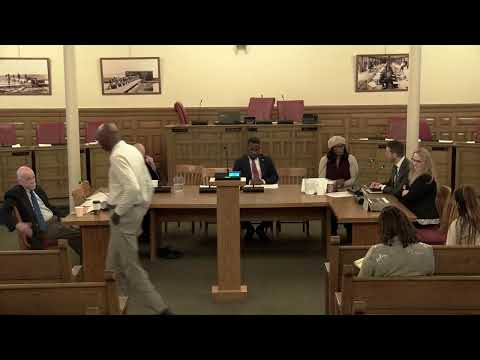
City staff told the DPW committee they want to release $7 million in capital funding to expand a municipal sidewalk program. The program, launched in 2021, has grown from about 4 miles of sidewalk in its first year to 14 miles last year; staff said much of the requested capital would be reimbursed through fee revenue and CHIPS funding.
Syracuse City staff asked the DPW committee to approve release of $7 million in capital funds for the municipal sidewalk program, saying the program has expanded rapidly and that the request is timed to match growing project volume and available reimbursements.
Jeremy, the program presenter, said the municipal sidewalk program began in 2021 as a planned maintenance effort to enhance and expand Syracuse’s sidewalk network. “We started in 2021, did about 4 miles of sidewalks. Last year we did 14 miles,” Jeremy said, and staff said the larger request reflects the program’s growth.
City staff said the sidewalk program targets areas of high pedestrian demand — around schools, community centers and commercial corridors — and uses data from the Syracuse metropolitan transportation council and other analyses to prioritize work. Funding is drawn in part from a dedicated sidewalk fee; staff said the $7 million CIP request is expected to be reimbursed in part through fee revenue and CHIPS (Consolidated Highway Improvement Program) funds.
Finance and DPW staff described the CHIPS reimbursement process as time‑sensitive and paperwork intensive: projects must be documented and submitted in a form the state requires, and eligible CHIPS claims generally follow the paving schedule because CHIPS eligibility disallows additional CHIPS claims on the same roadway segment for ten years. Neil Burke of DPW said staff are working across departments to standardize submission materials and contract language so the city can pursue reimbursement efficiently.
Staff also discussed coordination with other departments and utilities. Councilors raised concerns about cases where residents or developers previously installed sidewalks that were later replaced by the city’s program; staff said they evaluate existing work and reuse good sections where possible but sometimes replacement is required for grade, accessibility or long‑term constructability. Parks‑owned sidewalks and tree impacts were raised; City Arborist Steve Harris described use of structural soil and tree‑friendly designs for new sidewalks and said the city pairs tree funding with sidewalk capital work when specimens are large and in good health.
What’s next: staff said they will continue interdepartmental work sessions to ensure contracts and records are structured for CHIPS reimbursement and to finalize the capital request. No formal council vote on the $7 million allocation was recorded in the meeting.
Ending: Staff and councilors emphasized coordination across permit, DPW, finance and parks divisions as the central task to ensure sidewalk investments are eligible for reimbursement and built to long‑term standards.