Get Full Government Meeting Transcripts, Videos, & Alerts Forever!
Get email alerts on the School Grounds Sports topic
No spam. Unsubscribe anytime.
Athletic fields, grass-cutting contracts delayed as protests and funding choices slow repairs
Summary
Town hall speakers said grass-cutting procurement protests, limited local funding and contract issues have delayed repairs to Southern High's athletic fields and grounds; officials flagged an emergency procurement, a possible $8 million hazard-mitigation proposal for fields, and limited gaming funds as potential sources.
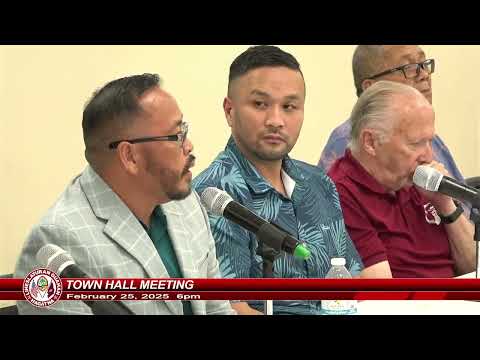
Officials and community members at the Feb. 25 Southern High town hall described a cluster of issues — contested grounds-maintenance contracts, repair needs for athletic fields, and possible alternative funding — that are delaying useable playing fields and grounds work.
Mark Crisostomo (who said he is tracking the football-field work) told the room his office is doing market research and coordinating a DPW assessment to develop a scope of work for the football field. Crisostomo said the plan is to use that assessment to shape a contract to repair the football field first, then move to the baseball and softball fields as funds permit. “We are doing a market research to repair the football field. Yesterday DPW did a walk through to do an assessment,” he said.
Grass-cutting procurement: Community leaders and mayors raised concerns that grass cutting was inconsistent and that earlier contractors withdrew. GDOE said a larger grounds-maintenance contract is in protest; the department said it has an emergency procurement in place until April 16 with a monthly cut schedule in dry months and more frequent (every three weeks) service during the rainy season. The emergency procurement is intended to bridge service until the contested full-year contract is resolved, officials said.
Funding sources discussed: Senators and board members discussed several possible funding sources: limited gaming funds that could provide a local source for athletic-field repair, and a hazard-mitigation funding proposal that board leaders said could supply roughly $8,000,000 to rehabilitate the campus sports facilities if the campus footprint for the recreational areas is legally separated from the school footprint. Board leaders described a path to use hazard-mitigation funds to repair fields while reserving school priority for usage.
Pool and facilities notes: Board and school officials said the Southern High swimming pool is structurally repairable but is not Olympic-sized by about two inches, and that decisions are needed whether to invest millions to repair the pool or to repurpose the site. Athletic director Marvin Linder urged officials to prioritize fields so teams can practice on campus rather than traveling to other villages.
Why it matters: Community speakers said the lack of reliable grounds maintenance and usable athletic fields reduces extracurricular opportunities, forces teams to travel for practice and competitions, and limits community use of school facilities.
Next steps and risks: Officials said they will complete the DPW assessment, pursue emergency grass-cutting coverage while procurement protests are resolved, and examine limited gaming and hazard mitigation funding options. They cautioned disputes and procurement protests could continue to delay field repairs and that any transfer of the recreational footprint would require legal and administrative steps.