Get Full Government Meeting Transcripts, Videos, & Alerts Forever!
Get email alerts on the Election Administration Canvass topic
No spam. Unsubscribe anytime.
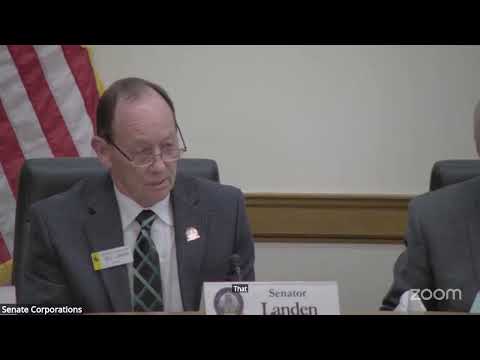
Panel debates changes to county canvassing boards; public and clerks raise concerns about politicization and process
Summary
House Bill 144 would change how county canvassing-board members are selected, giving major political parties the first opportunity to nominate members rather than leaving appointments to county clerks. The committee heard broad testimony on the proposal’s risks and safeguards; the bill remained under consideration at the end of the hearing.
Representative (Speaker) Nyman presented House Bill 144 to change the composition and appointment process for county canvassing boards. Under current law the county clerk serves with two electors appointed by the county clerk; the engrossed bill would keep the clerk on the board but require the county’s two largest major political parties to select the other members, with a fallback to the clerk if parties fail to appoint.
Secretary of State Chuck Gray and county clerks described administrative rationales and implementation issues. Gray said the bill "is a step in the right direction of ensuring that the major political parties are given a first bite at the apple to appoint members of the county canvassing board" while also noting second‑order implementation questions about notifying parties and defining largest parties by a fixed date. County clerks asked the committee for clearer procedures: firm dates for party notifications and submission of nominees, and safeguards against conflicts of interest.
Several county clerks and elections observers spoke at length. Malcolm Irvin, president of the County Clerks Association, said canvassing boards perform technical, work‑intensive duties and urged careful drafting to avoid politicizing the board. "Those meetings are open to the public," Irvin told the committee, and he suggested options such as five‑member boards, vacancy procedures, or using the board of county commissioners as an alternative if parties fail to nominate. Mary Langford, a county clerk, emphasized that canvassing is "a working board" that needs dependable, non‑conflicted members.
Public witnesses were split. Some party and county officials supported the bill as a transparency and accountability measure that would reduce perceived conflicts when clerks appoint board members. Others, including the League of Women Voters and election‑process advocates, opposed the bill on the grounds that it injects partisan qualifications into a technical canvassing function and could undermine public confidence. One public commenter recommended removing the word "major" from the bill so all qualifying parties could nominate members.
Committee members asked for technical fixes. Clerks urged statutory language to require clerk notification to parties and a precise appointment timeline. Some members expressed unease about the potential for partisan obstruction (for example, if a party refuses to provide nominees) and suggested fallback provisions; clerks and the secretary of state recommended drafting clarifications and possibly adding conflict‑of‑interest disqualifiers (e.g., campaign operatives, immediate family of candidates, or those actively campaigning on the specific ballot question).
The hearing ended with the bill still under consideration. Committee members asked clerks to propose specific drafting language on notification timelines and conflict‑of‑interest safeguards to bring back for working amendments.
Why it matters: County canvassing boards perform final certification and technical review of local election results; changes to how members are chosen affect perceptions of impartiality and can alter who is placed in the room when close or contested results are resolved.
Where it stands: HB 144 remained under committee consideration at the time the hearing recessed; sponsors and clerks will supply drafting suggestions for potential amendments.