Get Full Government Meeting Transcripts, Videos, & Alerts Forever!
Get email alerts on the Charter Amendments topic
No spam. Unsubscribe anytime.
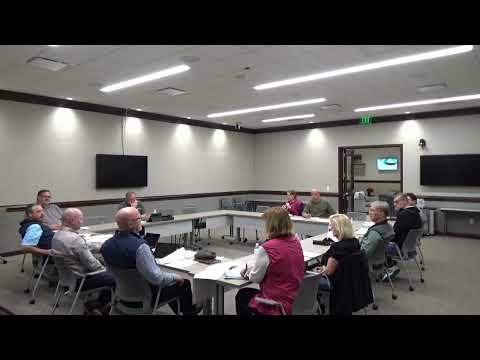
Boerne commission reviews draft charter amendments to lengthen council terms, clarify vacancies and planning roles
Summary
The Boerne Charter Review Commission on Dec. 3, 2024, discussed draft charter amendments that would change city council terms from two years to three, stagger council elections so no more than one‑third of seats are up in any year, align vacancy procedures with the Texas Constitution, revise planning‑and‑zoning language, and require a charter review at least once every 10 years.
The Boerne Charter Review Commission on Dec. 3, 2024, discussed draft charter amendments that would change city council terms from two years to three, stagger council elections so no more than one-third of seats are up in any year, align vacancy procedures with the Texas Constitution, revise planning-and-zoning language, and require a charter review at least once every 10 years.
Mick, a staff member who presented the draft language, said, “This amendment would become effective at the election in May of 2026, which is the next officers’ election after this charter amendment.” He and other staff also noted that ballot wording and the charter text differ in places so voters get a clear, concise proposition on the ballot while the charter contains the full legal text.
Why it matters: the proposed changes would alter the municipal election calendar and how vacancies are filled, affecting when incumbents next face voters and how the council handles unplanned openings. Commission members discussed how to explain the transition to voters, whether to show current-and-proposed text in outreach materials and how to draft a purpose statement for public presentations.
Key provisions discussed - Terms and staggering: The draft requires three-year terms and staggered seats so no more than one-third of council membership is up for election in any given year. The commission discussed whether the transition plan that specifies which seats are shortened or extended should be detailed in the charter or left for an implementing ordinance. Staff said the transition could be implemented by ordinance and that drafting the ordinance after an approved amendment may be simplest.
- Vacancies: The commission discussed revising the vacancy provision (current 3.08) to state that vacancies “shall be filled as required by the Texas Constitution and other law applicable to home‑rule cities.” Staff said that approach would ensure compliance whether the term-length change passes.
- Planning and zoning (section 7.01): Commissioners debated language that currently uses the word “adopt” for comprehensive plans and development regulations. Several members and staff recommended changing the charter language to say the Planning and Zoning Commission “review and recommend” plans and regulations to the city council, to make clear that final adoption is the council’s responsibility.
- Charter review schedule: The draft would create a requirement to review the charter at least once every 10 years. Commissioners suggested adding language that the review occur “at a minimum once every 10 years” so it does not lock future councils to a single calendar date.
Ballot language and outreach Staff noted that under the Election Code and guidance from the secretary of state, ballot language should be “direct and understandable.” Mick told the commission the proposition wording would therefore be shorter than the full charter text and that a purpose clause could be used in presentations and outreach material so residents understand the change.
Timing and next steps Commission members asked about deadlines and timing with city elections. Staff identified mid‑February as the timeframe for formally calling the election: members discussed a Feb. 11 proposition date mentioned in the meeting and staff noted Feb. 14 as the last day to call the election under the calendar they cited. The commission agreed to finalize wording, allow staff to circulate corrections, and present the commission report and proposed ballot language to the City Council in January (staff referenced the council’s Jan. 14 meeting as a possible date). If placed on the ballot and approved by voters, the commission and staff said they expect transition details (including which specific seats will serve shortened or extended initial terms) to be set by ordinance after the election; commissioners also discussed the traditional option of casting lots to determine which seats take which staggered terms.
Meeting actions On a consent motion the commission approved the minutes from a prior meeting by voice vote; the clerk recorded the motion, an identified second and the commission’s “ayes,” and the chair declared the motion passed. The commission did not take a formal vote on any charter amendment at this meeting; members asked staff to circulate revised drafts and prepare a public‑hearing presentation for the council.
What’s next Staff will circulate revised draft language and a proposed purpose statement to the commission for review, and the commission plans to present the proposal to the City Council during the council’s January meeting cycle and to participate in a public hearing before the council calls any election.