Get Full Government Meeting Transcripts, Videos, & Alerts Forever!
Get email alerts on the Pbm Pharmacy topic
No spam. Unsubscribe anytime.
Lawmakers debate PBM, pharmacy rules and reimbursement; pharmacy groups urge cost-plus dispensing fee
Summary
Senate Bill 140, which would change how PBMs operate in Indiana and how pharmacies are reimbursed, prompted contrasting testimony from independent pharmacists and pharmacy associations on one side and business and insurer representatives on the other.
Senate Bill 140, a wide-ranging bill addressing pharmacy benefit managers (PBMs), vertical integration, pharmacy reimbursement and network rules, drew lengthy testimony for and against measures that would change how pharmacies are reimbursed and how PBMs contract in Indiana.
Sponsor overview and amendment debate
Senator Charbonneau, the bill sponsor, described SB140 as an effort to limit vertical integration and increase transparency in pharmacy benefits. The bill includes prohibitions on PBMs or insurers holding interests in pharmacies, requires PBMs to demonstrate network adequacy and create a complaint process, and would give the state the authority to contract for PBM services or create a public–private "pharmacy benefit partner" for state plans.
Senator Zay presented a proposed amendment (amendment No. 10) that would go further by authorizing the state personnel department to issue an RFP for a single PBM or a public–private PBM partner for the state employee plan and would require pass-through of 100% of rebates to the state plan under that contract. State health staff said the administration supports exploring such contracting but called some of Zay's amendment language too prescriptive and recommended retaining flexibility in the RFP process.
Pharmacy testimony and independent owners
Darren Covington of the Indiana Pharmacy Association and multiple independent pharmacy owners testified in strong support of major provisions in SB140. They told the committee that a wave of pharmacy closures in Indiana — roughly 100 closures over two years, per the association’s data cited in testimony — has threatened local access. Owners and association witnesses said PBMs often reimburse pharmacies below their cost and retain rebates and other spreads, leaving independent pharmacies with unsustainable margins.
Independent owners described the business impact. Kip Burkett, a former independent pharmacist who closed his store in 2024, said pharmacies face "take it or leave it" contracts that erode profitability; he urged passage of rules that require fair reimbursement. Other owners described school-corporation pharmacy contracts and mail-order arrangements that, they said, steer business away from community pharmacies.
Pharmacies and trade associations pushed for a cost-based reimbursement model: reimburse pharmacies at acquisition cost plus a professional dispensing fee (the ballpark figure discussed in committee was about $10–$12 per prescription, based on state Medicaid dispensing-cost surveys) to cover payroll, supplies and operating expenses. They argued such a change would preserve community pharmacy access and support rural and independent pharmacies.
Business, insurer and employer concerns
Representatives of the Indiana Chamber, Indiana Manufacturers Association, retail groups and some insurers opposed several parts of SB140 as drafted. They warned the mandatory, uniform professional dispensing fee (a per-transaction add-on that would apply broadly) would raise plan costs for employers, state plans and consumers. The Chamber presented an analysis indicating the fee could increase plan and patient costs materially if applied across millions of transactions. Business groups said the state should avoid one-size-fits-all mandates that would shift costs to employers and taxpayers.
Trade witnesses also raised constitutional and market concerns about provisions that would bar vertically integrated companies from contracting unless they divest; some said the restriction could force companies to exit the Indiana market rather than divest, reducing competition. Others suggested the bill does not address other forms of vertical integration, such as wholesalers that own group purchasing organizations, and therefore may be a partial fix.
Administration and agency perspective
Audrey Arbogast, chief of staff to the secretary for Family and Social Services (FSSA), testified in conditional support of the bill’s policy goals — protecting patient access, competition and transparency — but urged the Legislature to preserve flexibility for the state personnel department and Medicaid as it examines contractual options for the state employee plan. FSSA and OMB officials said they are exploring public–private contracting options and want procurement flexibility in any statutory change.
Fiscal and audit evidence discussed
Senator Zay cited an Attorney General audit finding that Indiana’s combined drug spend for the state employee plan and Medicaid was approximately $2 billion annually and that the audit identified more than $300 million in "spread pricing" over the five-year audit period. Zay and others urged stronger contract authority and transparency to capture rebates and reduce waste. Pharmacy supporters pointed to other states that have enacted cost-plus dispensing models and to Kentucky, which they said reported substantial savings after changes to the state Medicaid contracting model (witnesses cited a Kentucky figure of $282 million saved over two years for the state Medicaid program after consolidation and reform).
Amendments and unresolved policy choices
Committee members discussed multiple amendments aimed at narrowing or removing provisions that would prohibit vertical integration (amendments 13 and 17), require pass-through of rebates, or bar insurers from conditioning plan coverage on using a particular PBM (amendment 18). Some members said the state may lack authority to force divestiture for national, multistate companies but could limit steering and require nondiscriminatory network and reimbursement practices.
Several witnesses urged the committee to preserve mail-order and specialty pharmacy access while ensuring non-discriminatory reimbursement for in-network pharmacies. Industry witnesses warned that banning incentive-based steering and imposing identical reimbursement terms could raise costs and reduce flexible benefit design used by employers.
No final vote
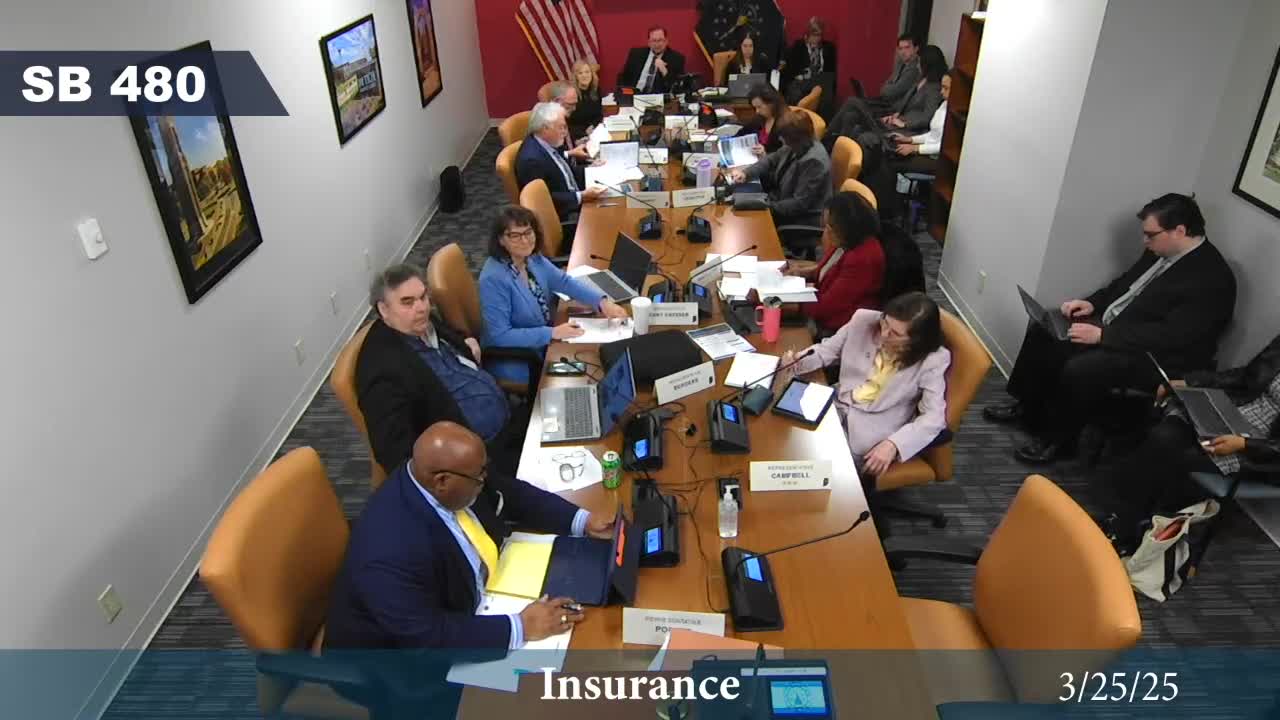
The committee heard roughly a dozen witnesses in a full hearing spanning multiple hours; members thanked speakers and said they would continue work on the bill and on amendment language. No final committee vote took place on the full bill during the hearing; sponsors and agency staff said they will seek to refine language and reconcile concerns about procurement flexibility, vertical-integration limits, and the scope of remedies for alleged unfair PBM practices.