Get Full Government Meeting Transcripts, Videos, & Alerts Forever!
Committee hears lengthy debate on prior-authorization reform; bill would shorten response times, require transparency
Summary
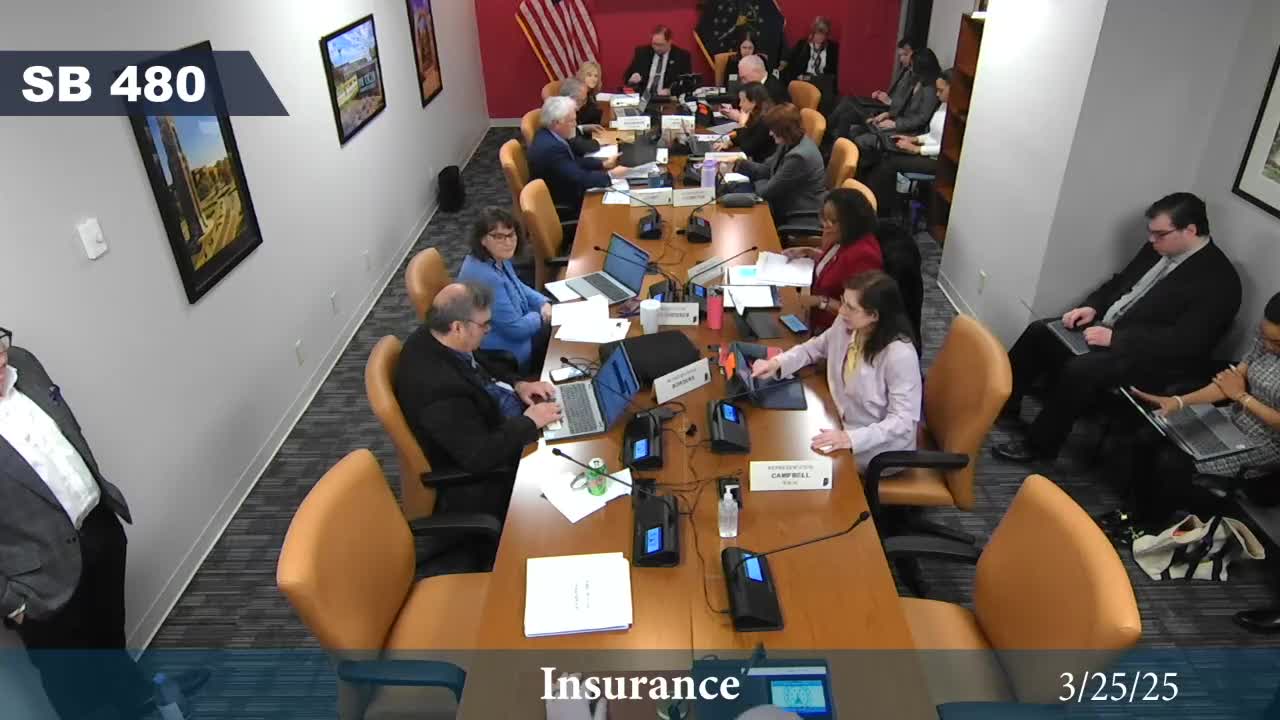
Senate Bill 480, a prior-authorization reform measure, drew wide testimony from clinicians, insurers and patient advocates. The bill sets shorter turnaround times, requires public posting of clinical criteria and seeks to make prior authorization easier to use; stakeholders disagreed about timelines and potential costs.
Senate Bill 480, a measure to change prior-authorization rules, received extended discussion and mixed testimony from clinicians, industry representatives and patient advocates during the committee hearing.
Senator Mark Johnson, author of the bill, told the committee the proposal targets delays and "gamesmanship" in the prior-authorization process that he said sometimes denies or delays medically necessary care. Senator Johnson framed the legislation as patient-focused: "How does it impact the patients that I serve as an ER doc, and how does it affect your family members?" he asked. The bill would shorten response timelines and require greater transparency about the criteria payers use to approve or deny requests.
Key provisions discussed
Sponsor statements and testimony described several central provisions: shorter turnaround times for prior-authorization decisions (the bill proposes a 48-hour standard for many requests, with an allowance for nights, weekends and holidays), public posting of criteria used by utilization-review entities, clinical peer-review processes that match requesters and reviewers by specialty where appropriate, and provisions that would make authorizations valid for at least a year for ongoing care.
Senator Johnson said the bill would permit 48-hour responses in many cases but would define and exempt emergent or urgent care from standard prior-authorization timelines. He and other supporters…
Already have an account? Log in
Subscribe to keep reading
Unlock the rest of this article — and every article on Citizen Portal.
- Unlimited articles
- AI-powered breakdowns of topics, speakers, decisions, and budgets
- Instant alerts when your location has a new meeting
- Follow topics and more locations
- 1,000 AI Insights / month, plus AI Chat